Quisqueya Henríquez The World Outside: A Survey Exhibition, 1991-2007
16 Sep 2007 - 27 Jan 2008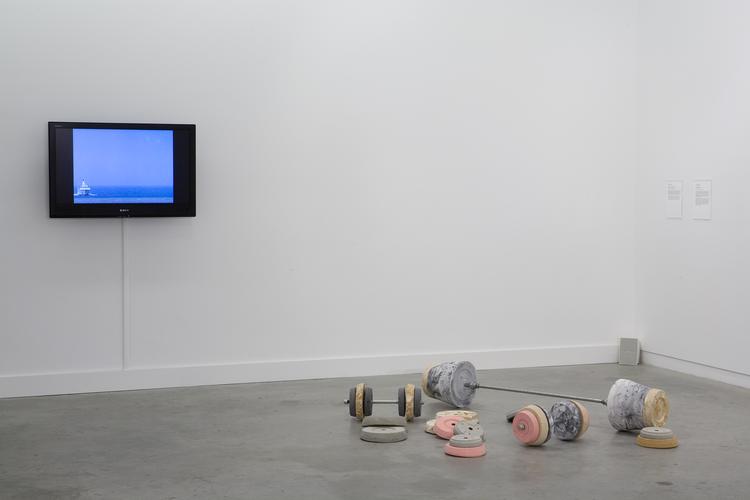
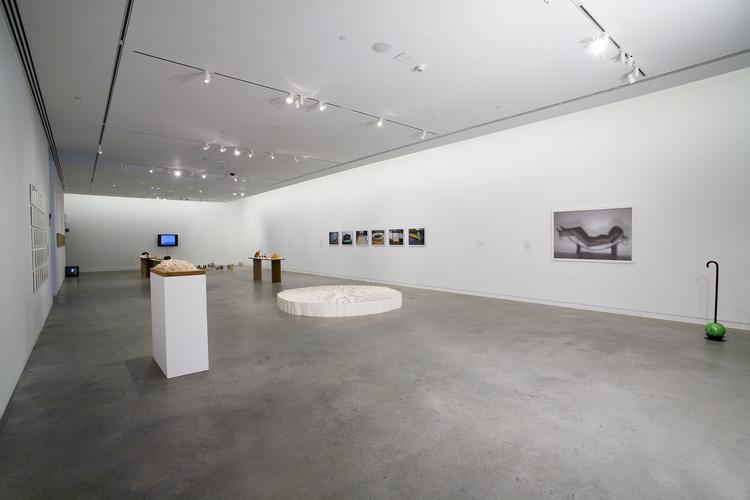
“Quisqueya Henríquez: The World Outside, A Survey Exhibition 1991 – 2007”, is the first retrospective in the United States dedicated to this internationally acclaimed Cuban artist.
With a strong conceptual base, the work process marks Henríquez’s creation (Cuba, 1966), who understands that the work is not the final result but rather each step in the course of the materialization of the ideas that shape her projects. As the artist herself says “the transit is always more profitable than the destination“, a destination that she addresses from very different points of view.
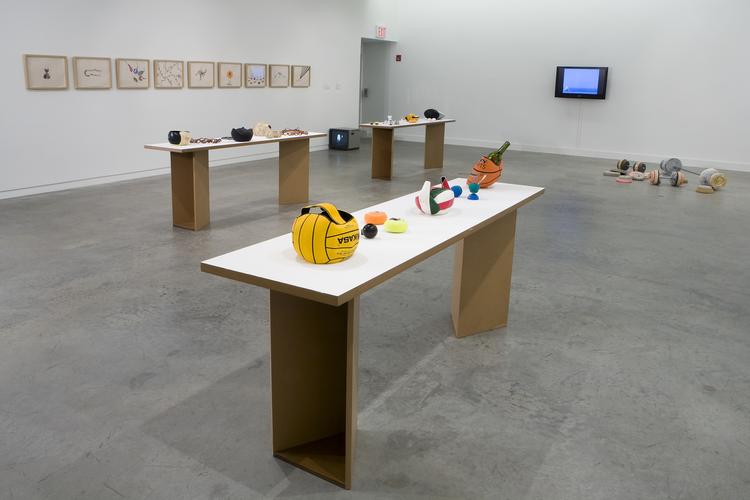
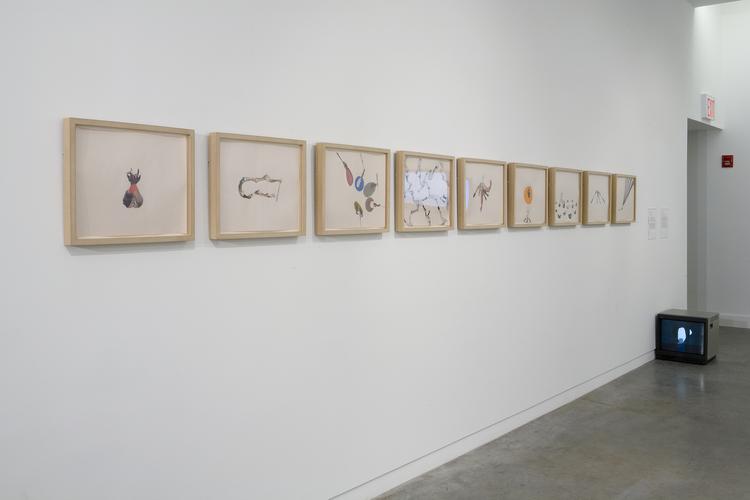
Together with 22 sculptures, photographs, collages, videos, installations and pieces in which light and sound intervene reveal in this exhibition the expressive richness of the artist, for whom sensory experiences (flavours, noises, textures) and urban life spaces and their everyday nature become a reason for reflection and provide her with a good part of the ideas to build her particular and ironic universe. Life in the city of Santo Domingo is often portrayed, where the artist currently resides, but also Mexico, Havana, Miami and Madrid have been scenarios that have provided her with the material she needs to build her speech, from monuments to reveal against to pedestrians, cars and even scraps piled up in the litter. The space and the way it is used; the relationship of the individual with the environment and, specifically, a critique of the dynamics of construction and demolition that takes place in some Latin American cities are constant in Henríquez’s work. She is also interested in playing with the clichés created around the Caribbean culture in her production, one of the best examples being the work Helado de Agua de Mar Caribe (2002), in which, with a great sense of humor, she analyzes the widely generalized stereotype of referring to them as “hot-blooded” people; and for whose realization several litres of seawater from the Dominican Republic are usually transferred to the museum where the piece is located. Other representative works of her career are Jugando con la adversidad (2001-2006), in which several soccer and basketball balls are restored and transformed into other everyday objects, such as a bag or a cap; El mundo de afuera (2006), a 46-minute video made with the material that the artist obtained from the placement of a camera on the balcony of her house, with which she recorded hundreds of hours of what happened around her environment, or Bornnaked (2004), in which a sound art installation was created inside a sofa.
Various materials and often only what is on hand, such as algae or rubbish found on the beach, lead to research on how the process of creating art works, and the importance of whether it is legitimized or not by the public. Quisqueya Henríquez tells us about these possibilities and invites us to break down the barriers imposed by tradition.