Joaquim Chancho Dibuixa una línia i segueix-la
23 Jan - 25 May 2014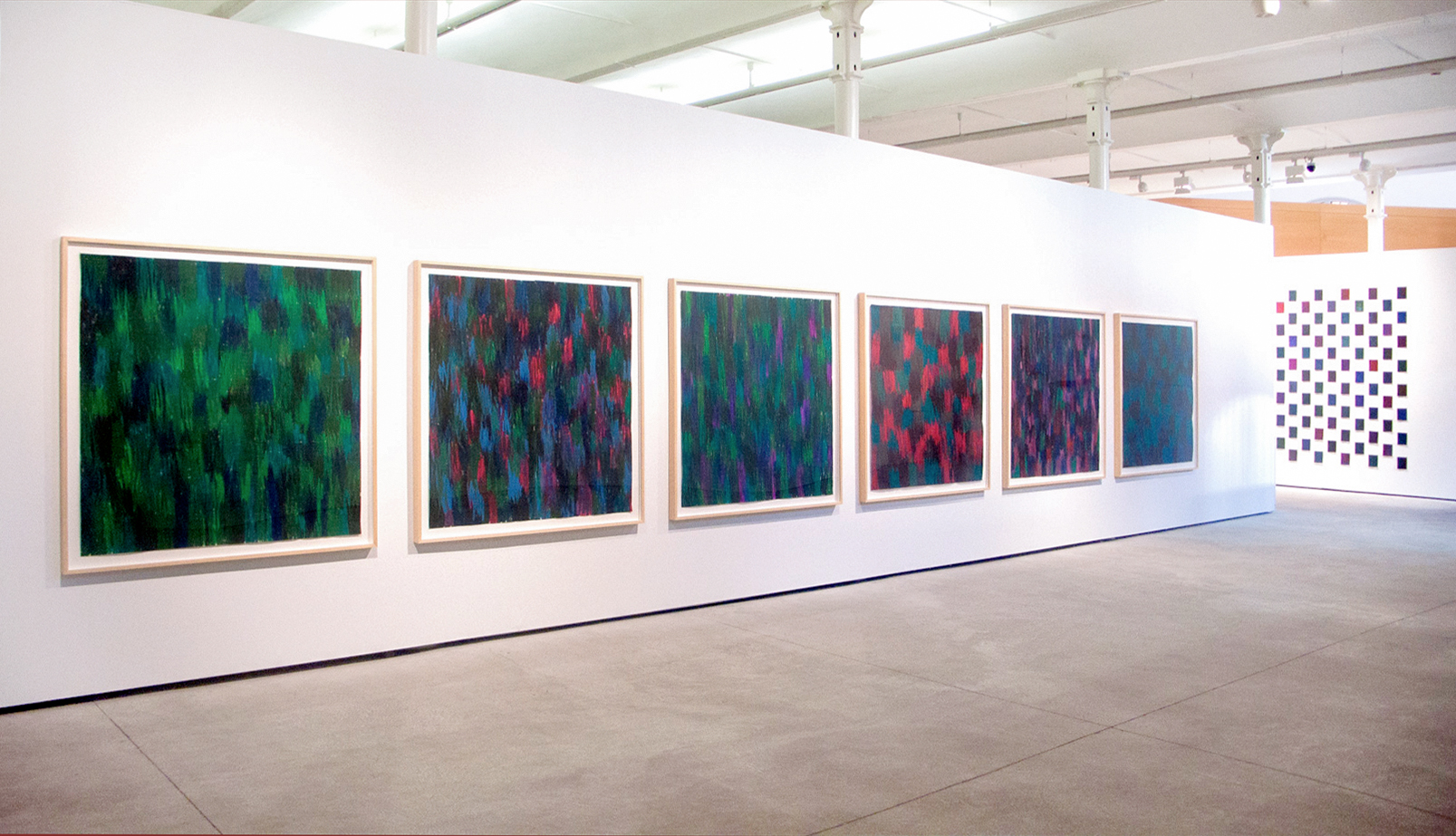
Joaquim Chancho (Riudoms, Tarragona, 1943) made his appearance on the art scene in the late sixties, along with a generation of painters such as Gerardo Delgado, Carlos León, Soledad Sevilla, and Jordi Teixidor, coming from different parts of Spain and with post-informalist and post-minimal- ist approaches, who used languages that alternated between signs and geometry to pursue a territory all of their own that would enable them to continue advancing in the construction of a personal project, unfurling their painting like a flag.
Chancho has followed an even course, albeit slow-paced and relatively silent. With his pared-down, concise diction, he attempts to formulate a profound revision of the state of painting, questioning it constantly, testing its limits and leading it to meet his own personal needs. His quest has focused on an analysis of the discipline without renouncing intuitive knowledge. Using increasingly organic geometries, he has created an ensemble of patterns and grids that cross over and can open up or close down, expand or shrink, link up, or overlap.
The seventies were an intensely productive time; they were also the most radical years. Chancho’s rigorous paintings later led to his basic vocabulary and his commitment to geometry, both conceptually and formally. With geometry, which during that period was modular and sequential, he assembled the framework that enabled him to build a highly personal mental map.
In the eighties, we find a strong focus on paper that would eventually enable the artist to delve into canvas with greater freedom, introducing accidents, mistakes, and doubts. From the nineties on, series and variations begin to appear, and, consequently, shifts, intersections, unfoldings, turns, multiplications, sums, and subtractions. And to these elements Chancho added the material quality of the support, the tactile character of the hand, the tension of the painting’s surface, the protagonism granted to scale and format and, especially, to the use of a personal color range, intense and saturated, which proves that the painter’s palette can reveal itself as a symbolic component of his personality. Instead of following motifs or themes, the artist follows traces. In Chancho’s works, we detect an interest in the constructive element of music, an internal process that enables multidirectionality; in other words, all the structural issues and aspects involved in the creative process.
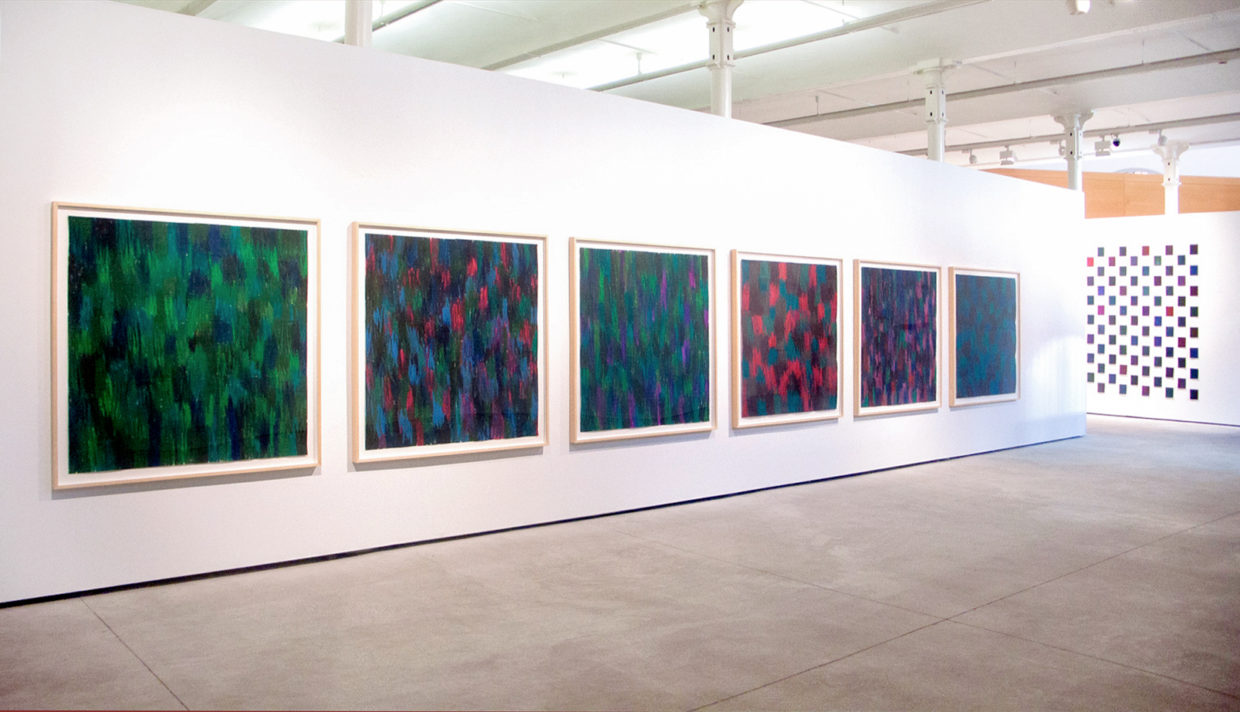
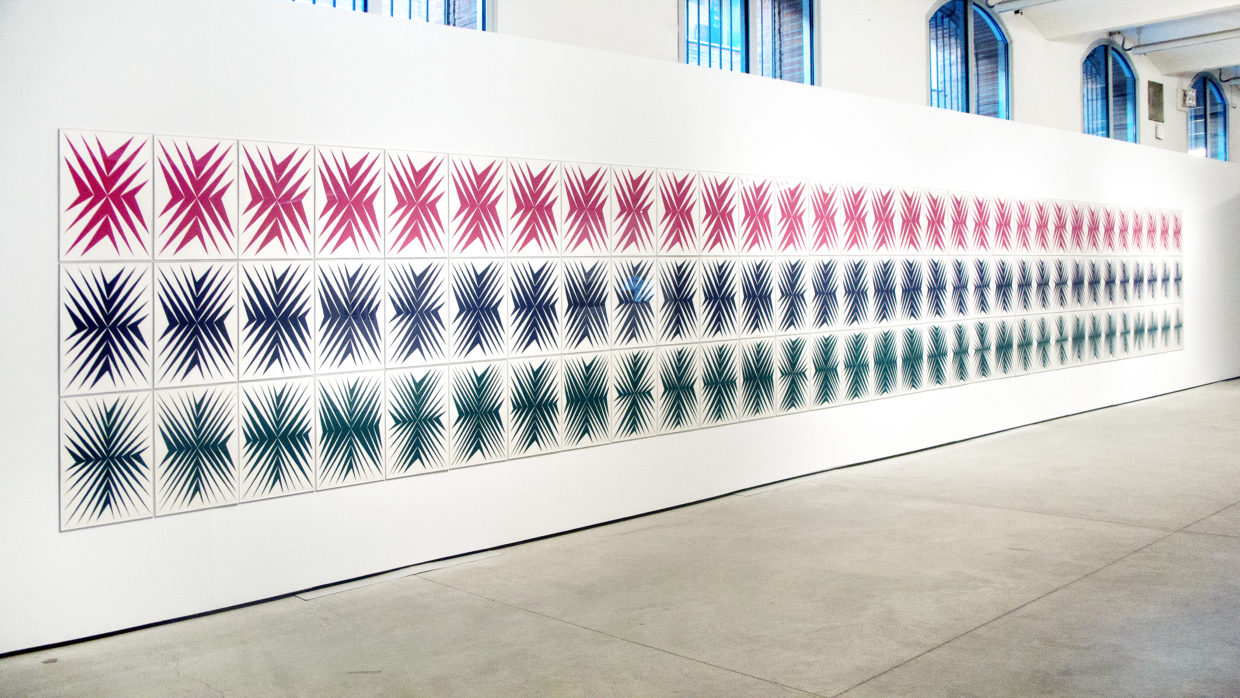
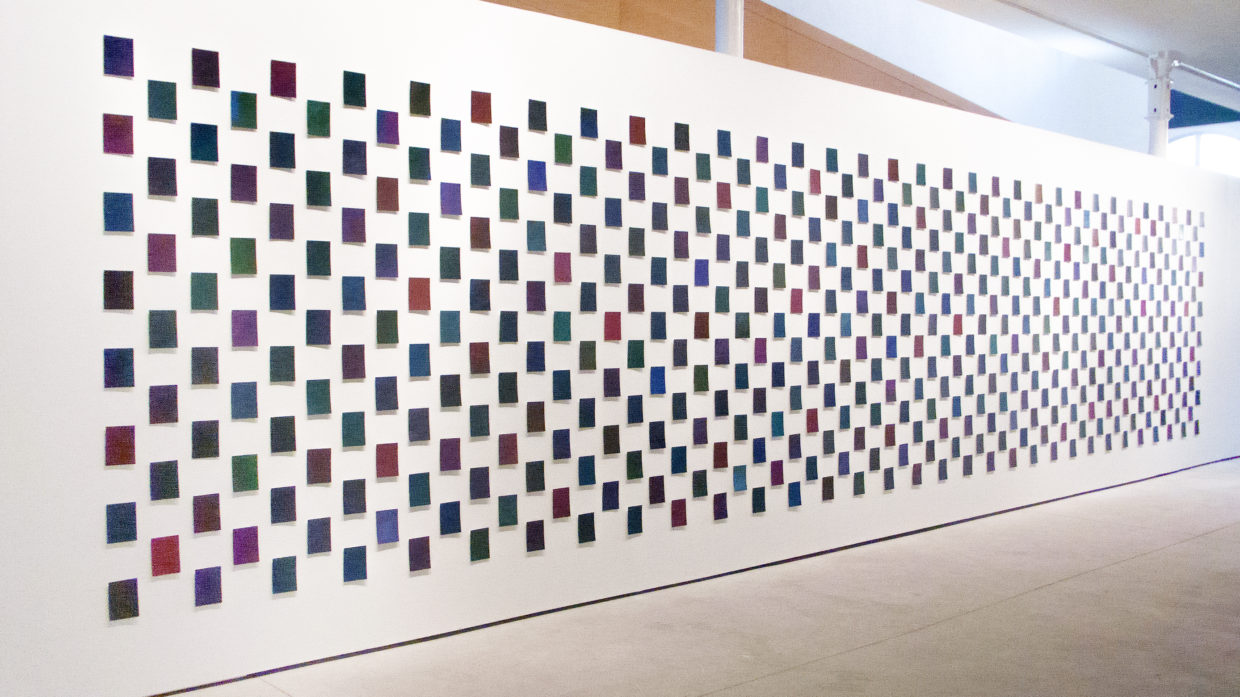
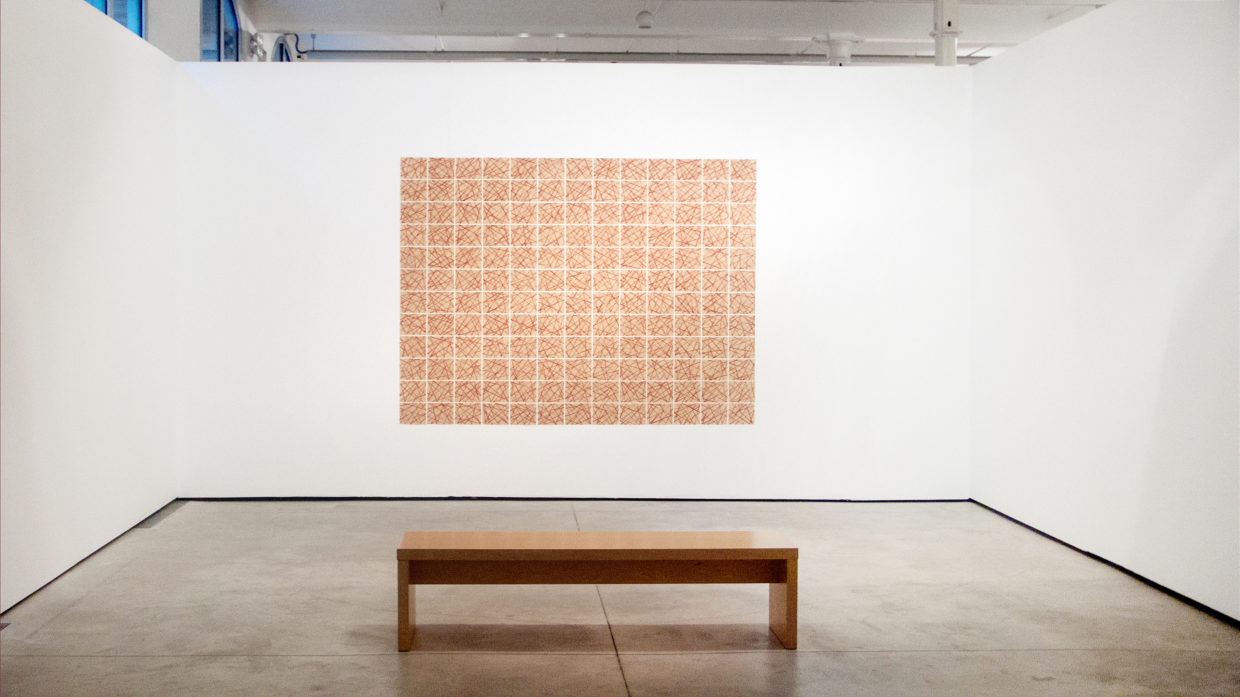
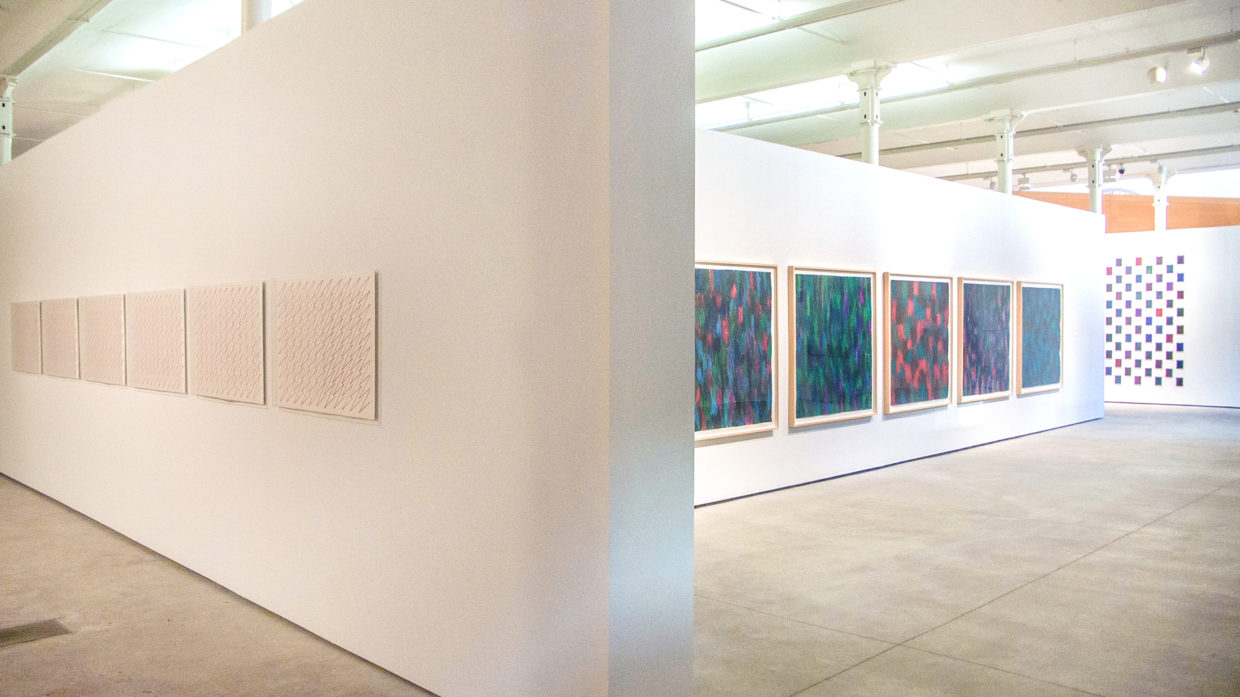
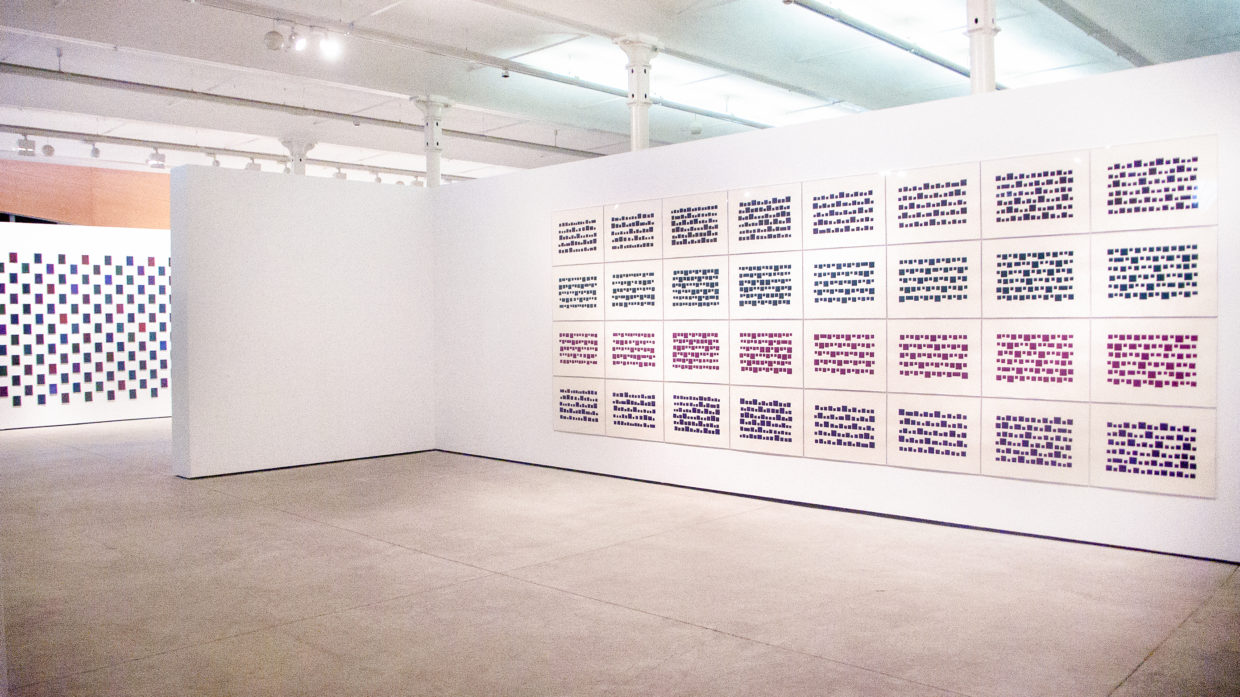
In 2005, the Centre d’Art Tecla Sala organized the “Joaquim Chancho. Prospectiva 1973-2003” exhibition, an overview of thirty years of the artist’s career. Now, with the aim of recovering the work of one of the most solid artists in the national arena, we are pleased to introduce this broad range of series on paper that make up a powerful body of work executed by the artist over the past four years.
Centre d’Art Tecla Sala