Àngels Ribé Metafísiques de la fragilitat
16 Sep - 04 Dec 2021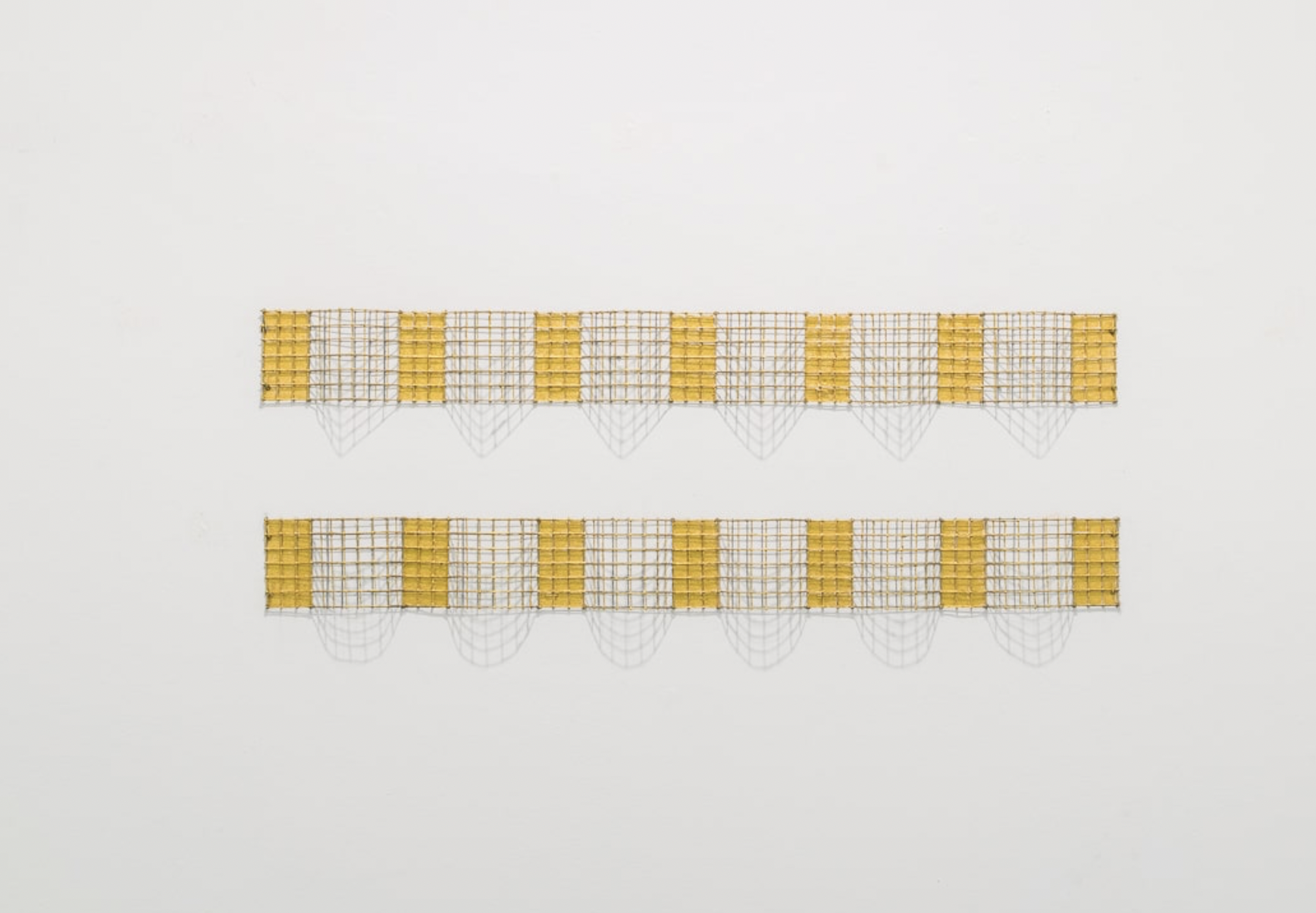
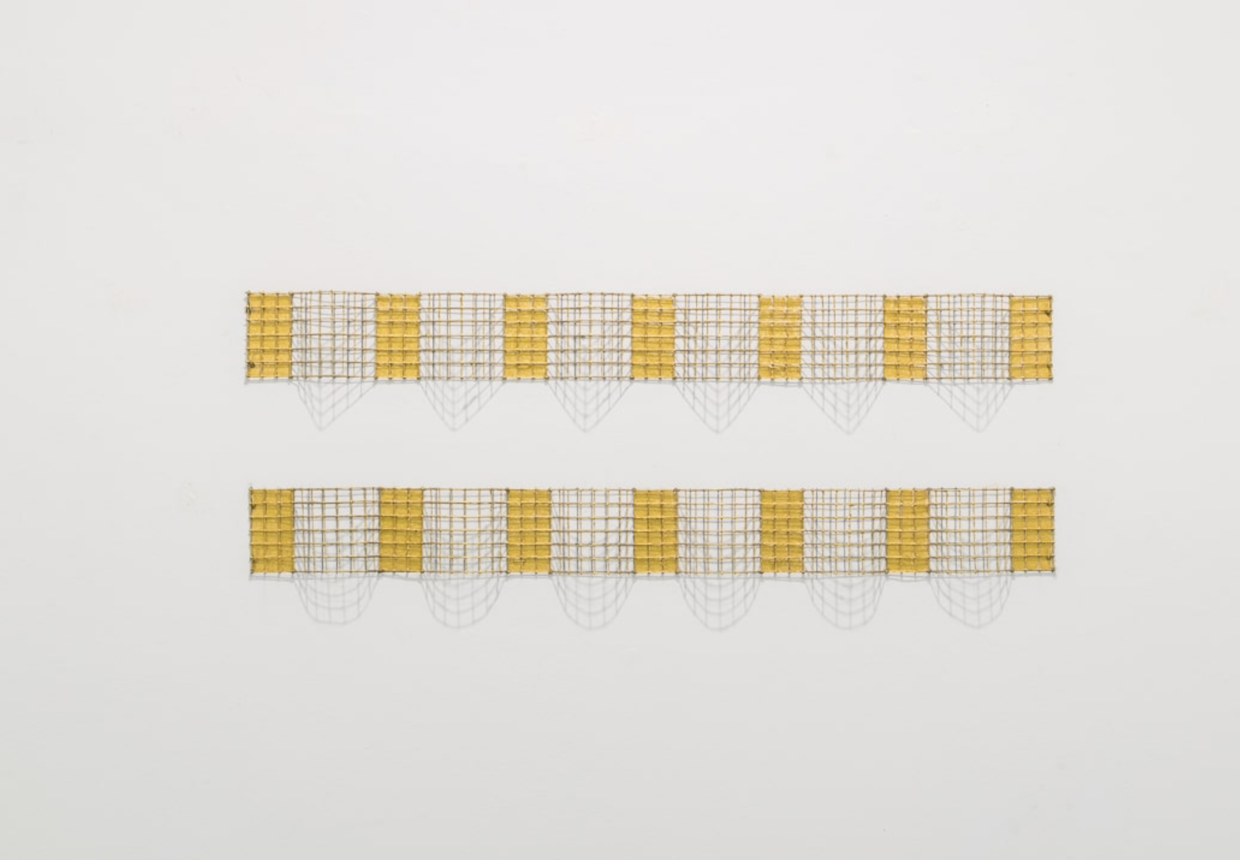
This exhibition is an attempt to review the process of dematerialization that sculpture has undergone in recent decades, which retains a common thread rooted in the avant-garde and has been regenerated with creative freedom, incorporating other practices such as photography and establishing a hybrid language, where the fragility of materials and concept rules.
Poor sculpture is a recurring line of work during the twentieth century with less concern for “form” than for “concept” and its evolution has led to its dematerialization. The new industrial era opened the doors to the mass-produced object, which would soon be incorporated into the ranks of art by the lucidity of Marcel Duchamp when he launched the ready-made to the place of art to give it a new meaning.
If Miró was a reference of the surrealist avant-garde for the informalist generation of the 1950s, the Lleida-born Leandre Cristòfol, together with Àngel Ferrant, was the axis of experimental avant-garde sculpture. Thus a bridge was built between the pre-war avant-garde generation and the post-war generation of painters and sculptors, a legacy that includes the figure of Antoni Tàpies, who is an outstanding reference until the dissolution of sculpture as a specific discipline in the parameters of arte povera and conceptual art.
Ferrant and Cristòfol, under the umbrella of two masters of surrealism such as Calder and Miró, share poetic semblances with sculptures of found objects, forms that animate space, gravitational geometries, stellar mysticism, infinite sculptures and a spirit open to play that brings them closer to the naivety of children.
This evolution inexcusably passes through the sculptural research of artists of the informalist generation such as Moisés Villèlia, who found in bamboo cane the most intimate and bony material that nature gives him to transform it into fragile, static or dynamic metaphysics, although he also builds with stones, ropes and wood. The painter Antoni Tàpies, faithful to his philosophical essentialism, created poor objects, sculptures with simple and poor materials, such as wire, sawdust, brooms, ropes, wood, in remarkable works from the 60s and 70s that bring us closer to his vision of the everyday world. Tàpies gives autonomy to the object in the work Alpargatas (1970) and dignity to the most insignificant footwear, the poorest, stripped of all ornamentation and richness.