Regina Gimenez Més poètic que no pas pedagògic ni practicable
15 Apr - 09 Jun 2023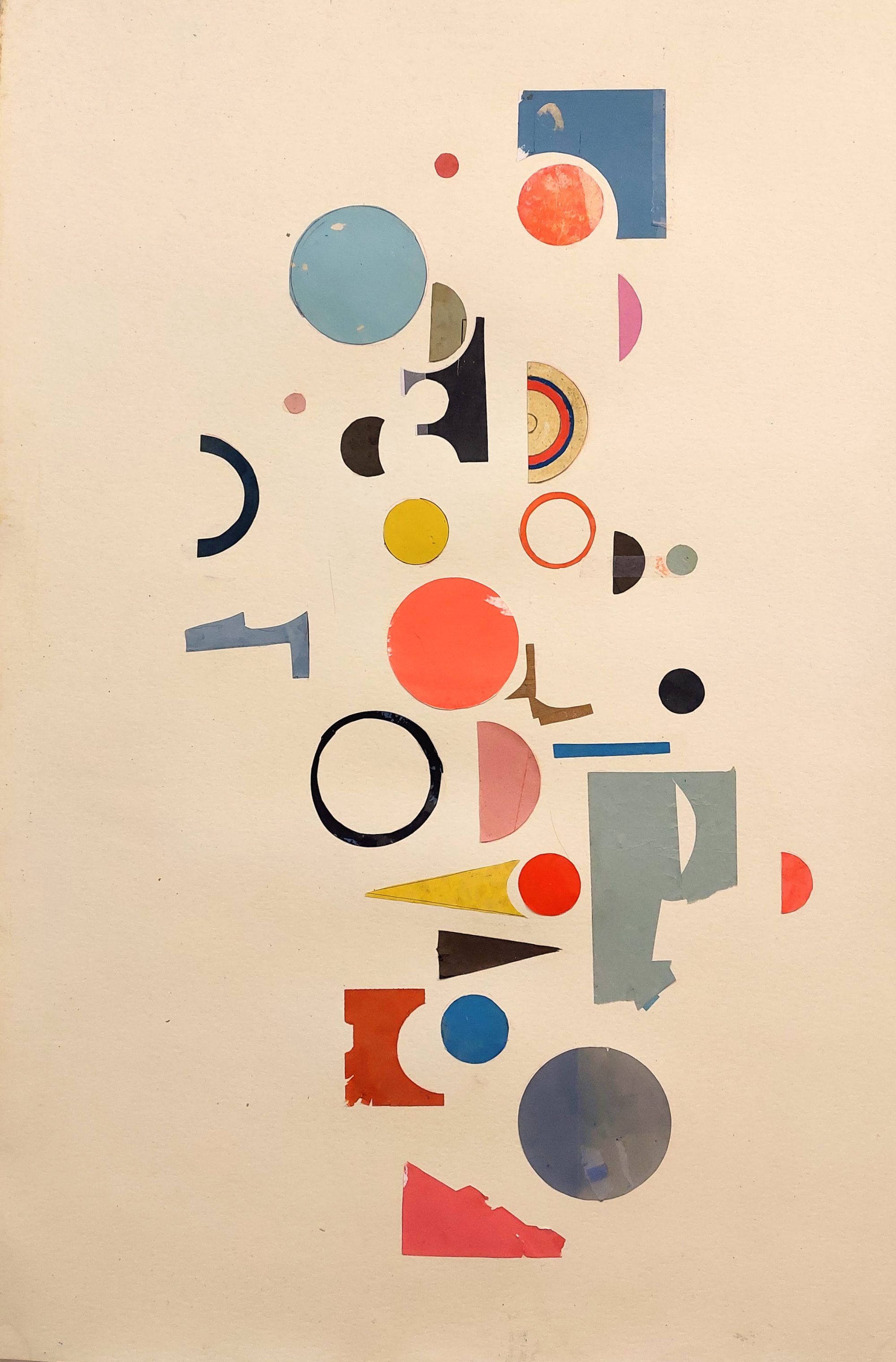
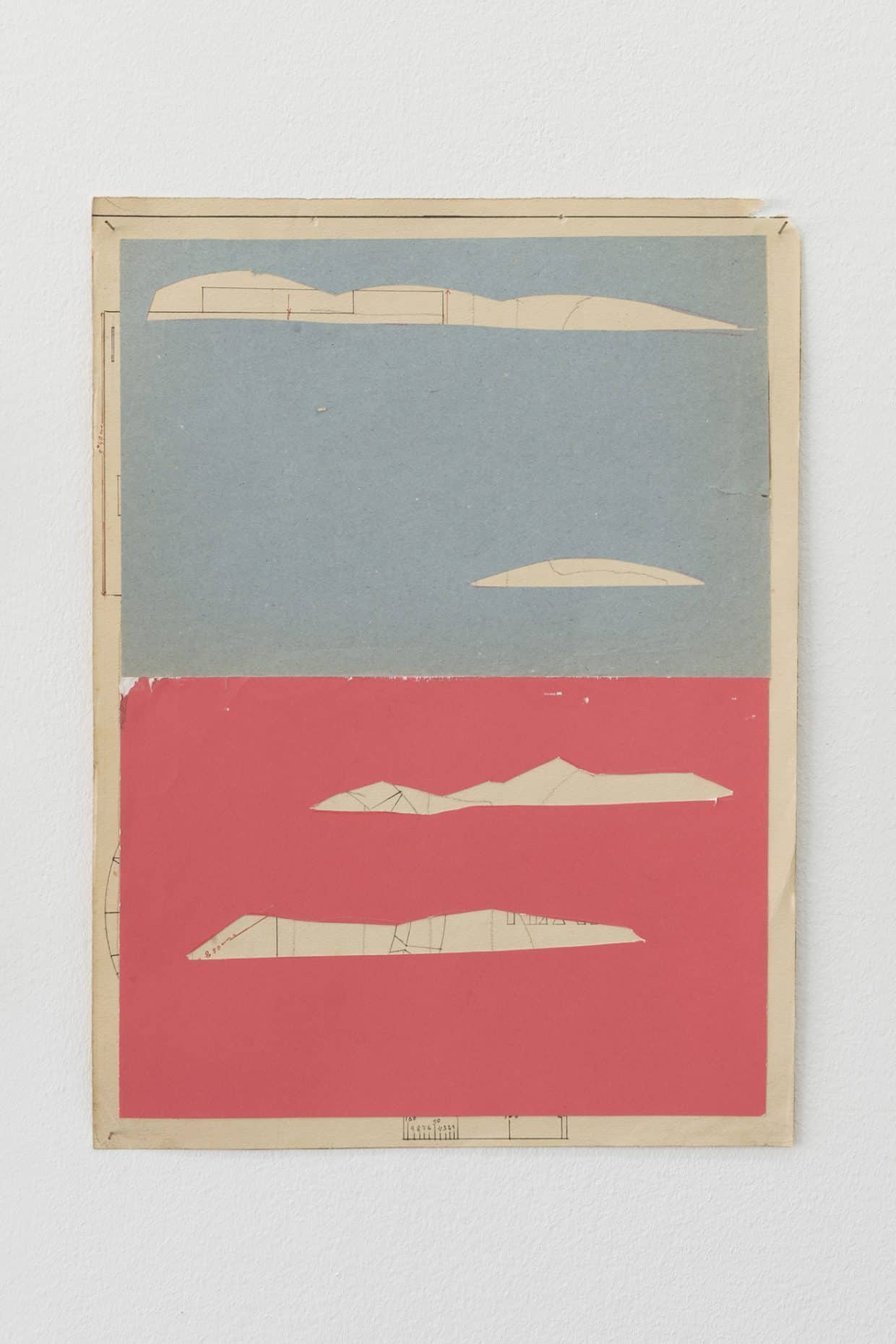
Within the different lines of geometric abstraction that the Catalan artist Regina Giménez (Barcelona, 1966) has been carrying out in recent years, her production based on the research of textbook illustrations stands out. In particular, of educational publications that explain to a child audience scientific issues such as the creation of planets, the movement of the sun and the moon, the formation of mountains or the sea currents. She usually buys obsolete publications from the 1930s and 1940s, seduced by their outdated images and contents, in second-hand bookshops or flea markets.
By breaking the explanatory code of the illustrations, by separating the images and the graphics from their explanatory notes or legends, which are really what makes them understandable, a linguistic decomposition is generated, which causes them to lose their scientific and educational condition, to move to the field of contemporary art. The graphic and the written part, which are two different communicative codes per se, lose their original meaning and are transformed by the artist into other visual codes. The source, visual or written, is decontextualized and modified to provoke new readings.
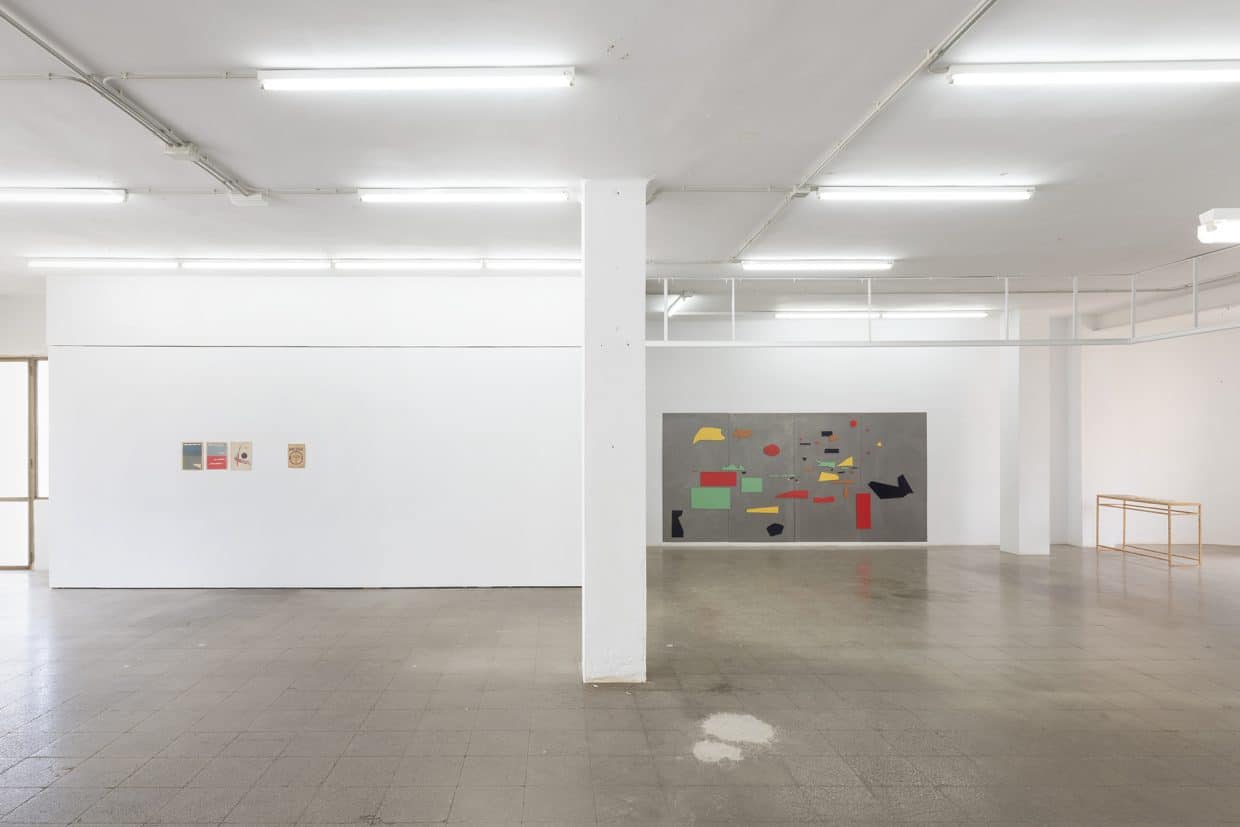
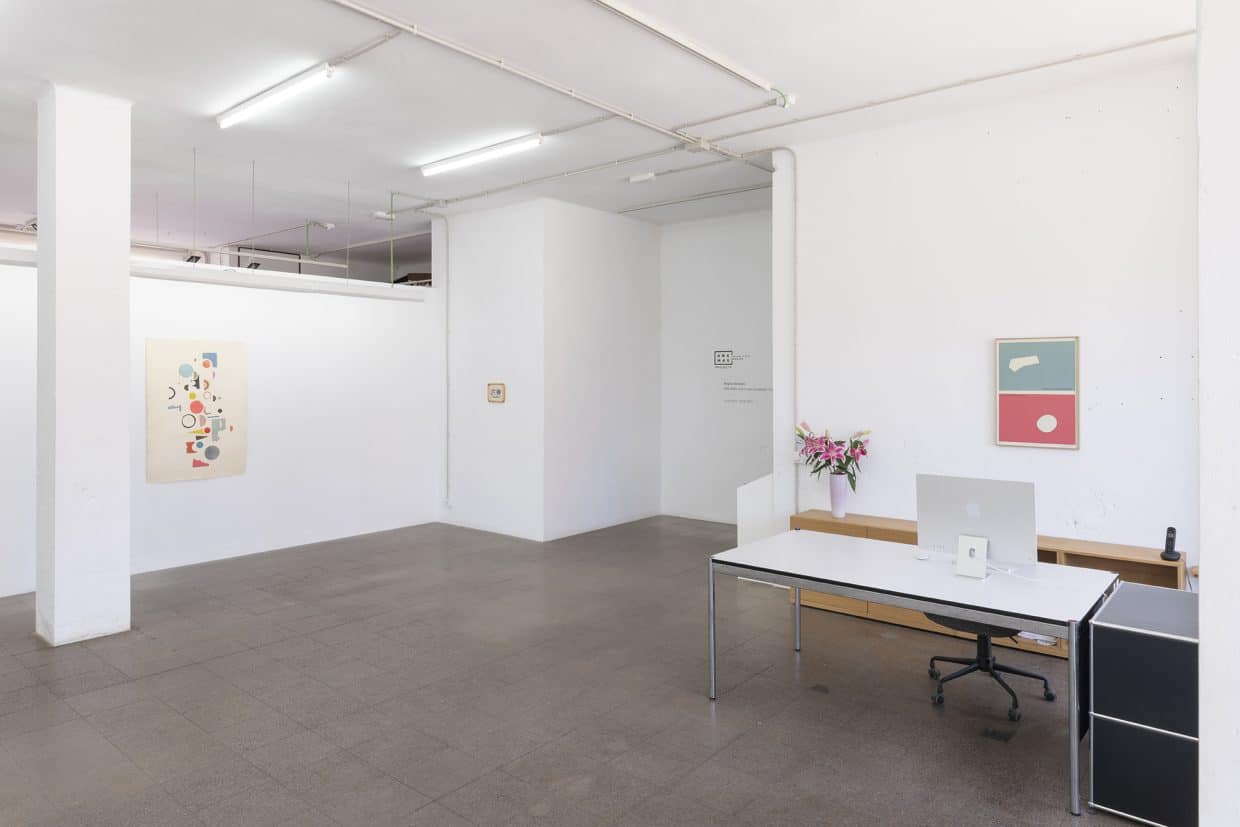
“Más poético que pedagógico y practicable” is the title of the exhibition that Regina Giménez extends to two venues, the galleries F2 in Madrid and Ana Mas Projects in Barcelona. This time, the germ of the project is also an educational publication but, instead of teaching geology or astronomy, it is a novel pedagogical plan to teach art.
The ideologist is the artist Ángel Ferrant (Madrid, 1890-1961), one of the key figures in the sculptural renovation of the first half of the 20th century in Spain. Although he is best known for his creative work, his research in the surrealist poetics of the object, his experimentation in kinetic art, and his connection with groups like ADLAN (Amics de l’Art Nou, “Friends of New Art”) or the Escuela de Altamira, his innovative and avant-garde character ended up entering the educational context. From 1918 he worked as modelling and casting teacher at the School of Arts and Crafts in A Coruña, at the Llotja (Escola d’Art i Superior de Disseny in Barcelona, 1920-1934) and at several centres in Madrid (from 1934). The legacy of his pedagogical practice has come to us in different forms, such as his wonderful “Pancartas escolares”, a manuscript of aphoristic precepts and suggestions that he used in his modelling classes and that, labelled on paper, hung as notices in the classroom.
But there are also different graphics from 1932 that explained the new pedagogical plan proposed for implementation at the Llotja School, which aimed to abolish the copy and the imitation of reality, in exchange for granting a greater creative freedom to students, from the early stages of education to the schools of arts and crafts. Not all his colleagues appreciated the plan, which was described as “more poetic than pedagogical and practicable”.
These graphics from 1932 are the ones that Regina Giménez now recovers and transforms as the first base of her exhibition. The key piece of the exposition is a graphic in black and white made by Ángel Ferrant, which summarised his pedagogical vision based on imagination, as opposed to the repetitive training based on copying, which still prevailed in the academic teaching of art in the 1930s, and which in many cases still prevails, almost a century later.
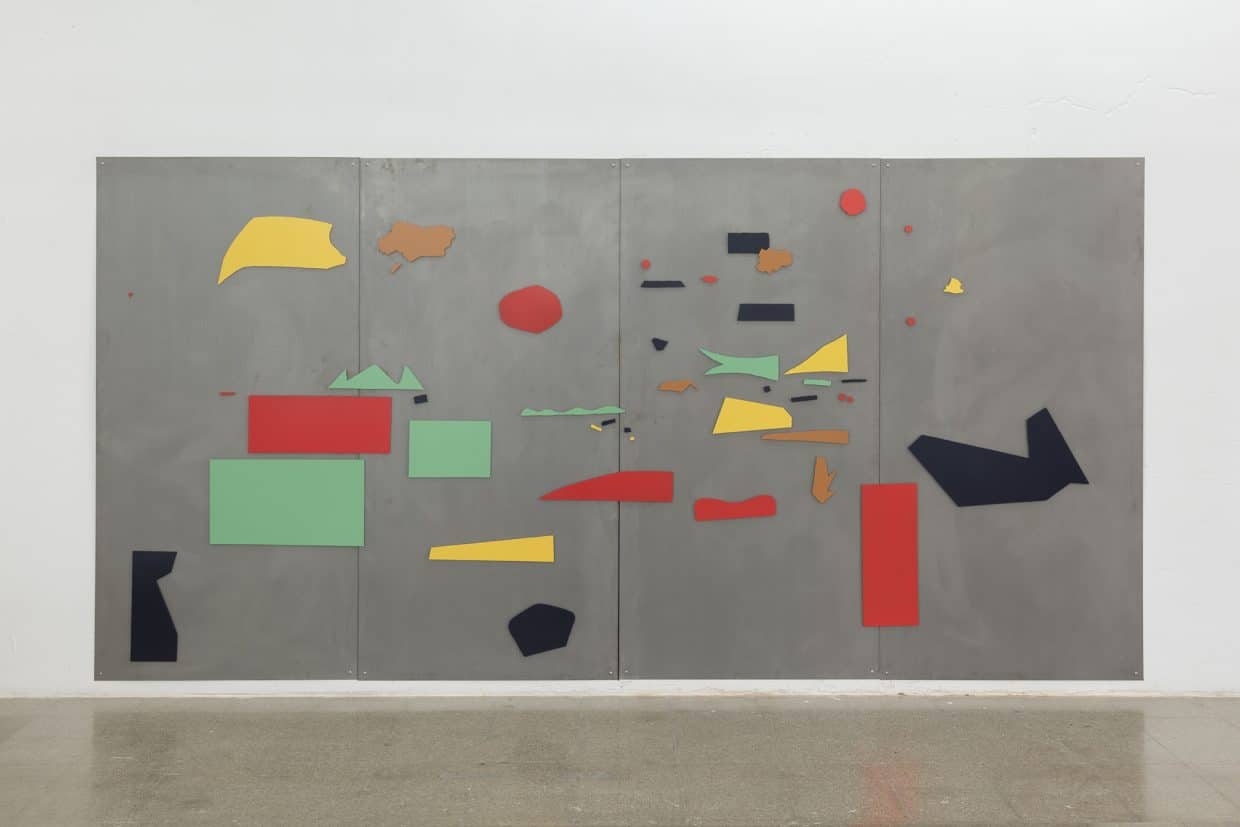
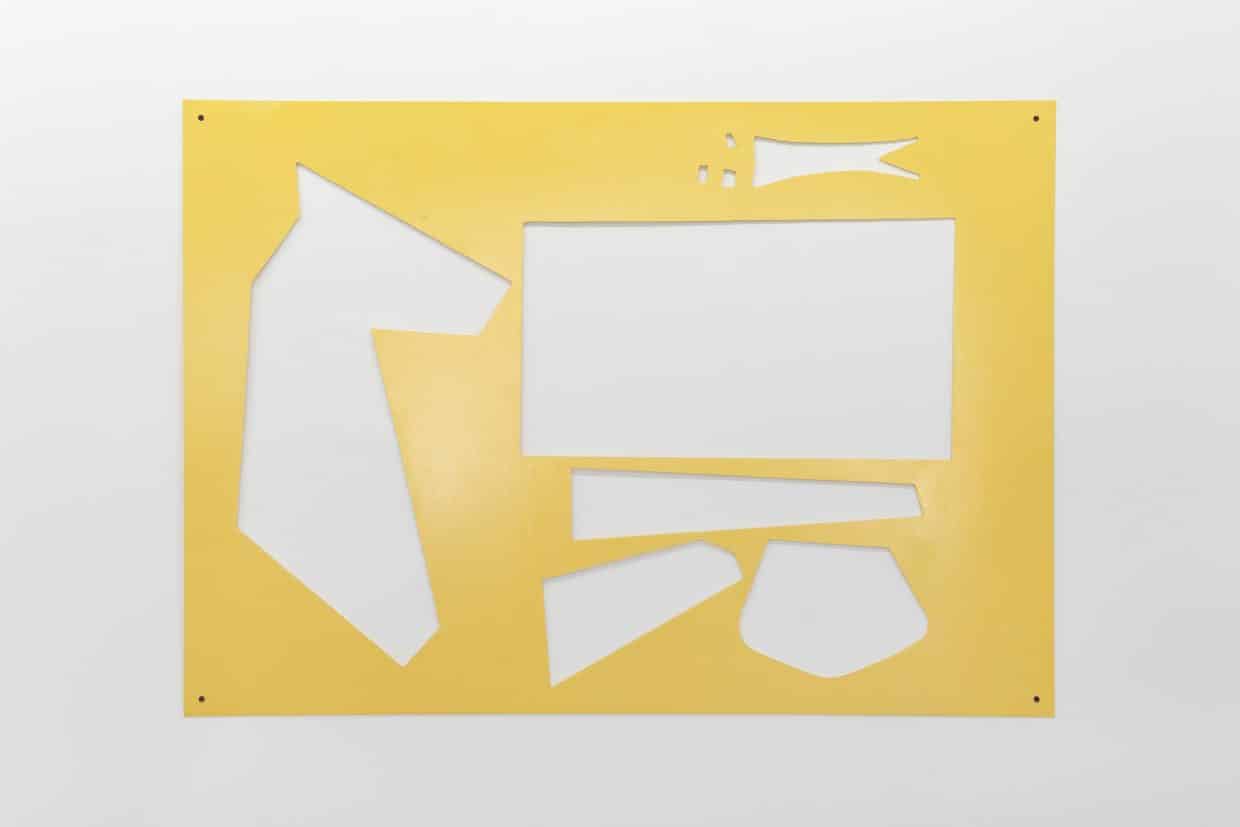
After enlarging the image and removing all the text (terms like “Intuition”, “Expression”, “Spirit”, “Technique” or “Consciousness”, handwritten by Ferrant on the original graphic), Regina Giménez has added colour and turned it into a large work reminiscent of a flag. An emblem in memory of Ángel Ferrant’s open and transgressive vision.
A second pillar that arrived accidentally completes the project: finding by chance, in a second-hand bookshop, the publication Manos Hábiles. Trabajos Manuales, signed by Álvarez and printed in 1971 by the publishing house Minón S.A., in Valladolid.
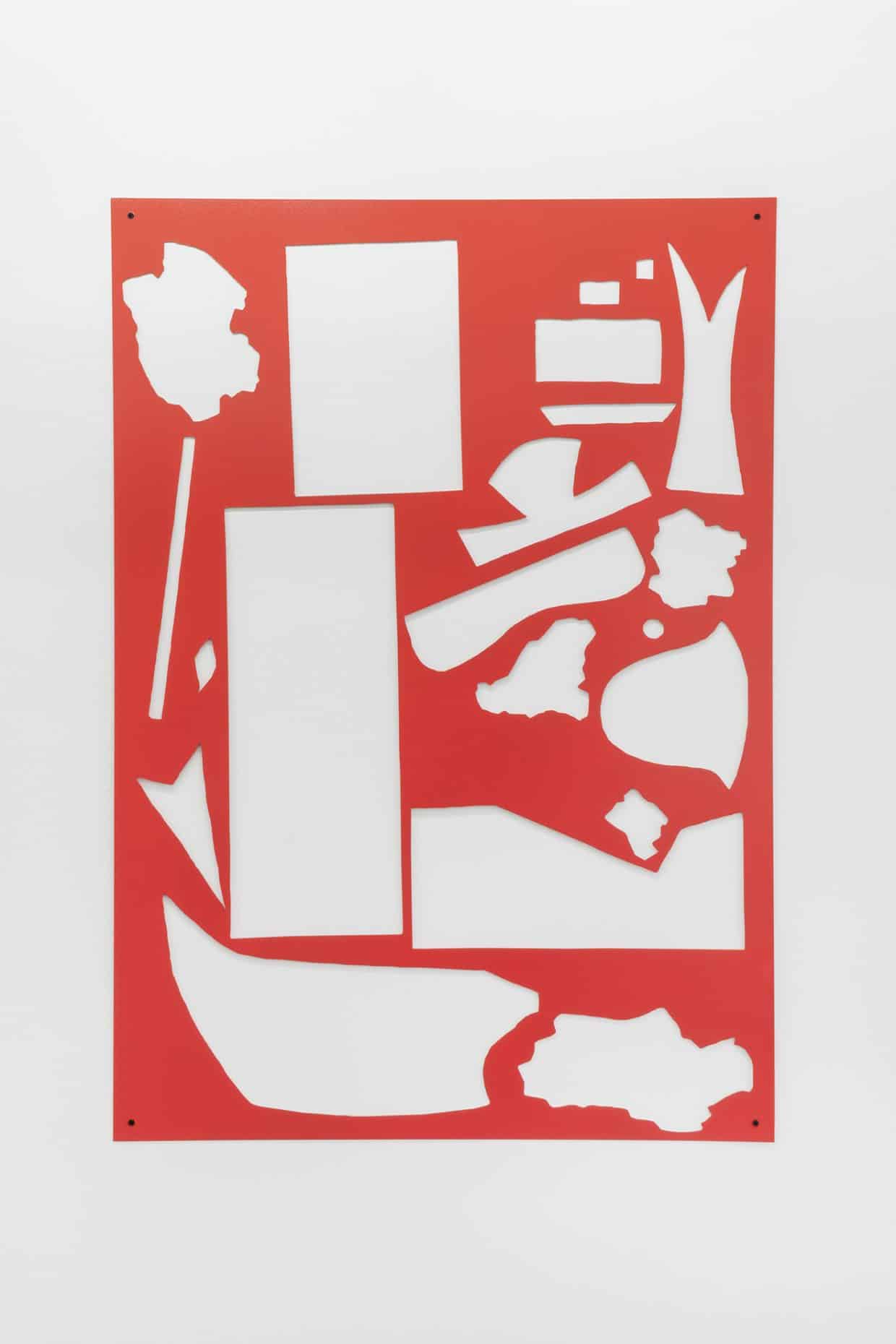
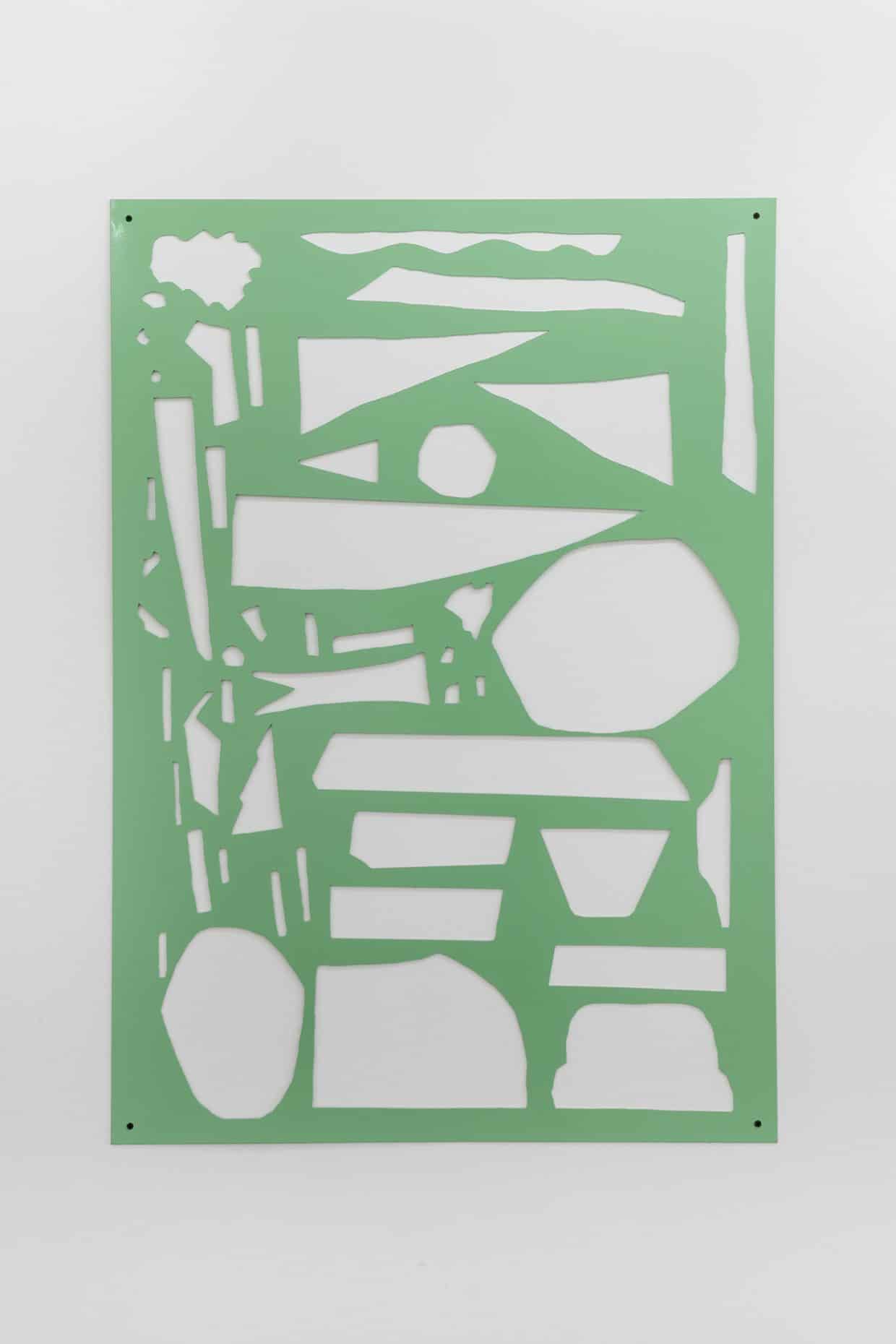
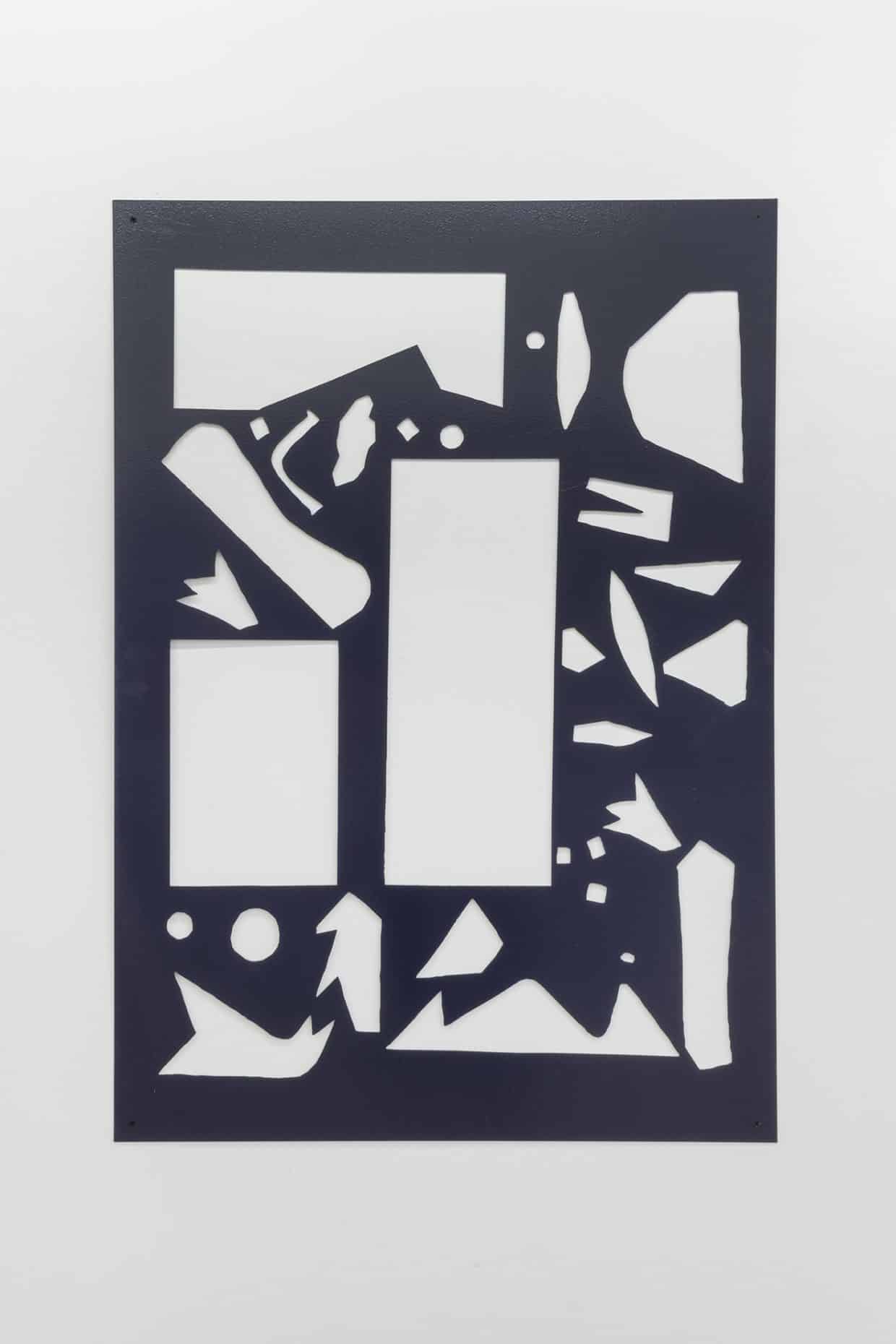
In the extinct compulsory course of studies called “Educación General Básica (EGB)”, Manos Hábiles was the pedagogical support of the subject of Cultural and Artistic Education. It consisted of various exercise books with simple sheets that students had to complete on a weekly basis with the help of the Bag with supplementary material that came with the publication. The content was an amalgam of papers of different colours, sizes, prints and geometric shapes that the students had to cut out or manipulate following the instructions on each sheet, according to the order indicated by the corresponding numbering on the right-hand margin of the sheet.
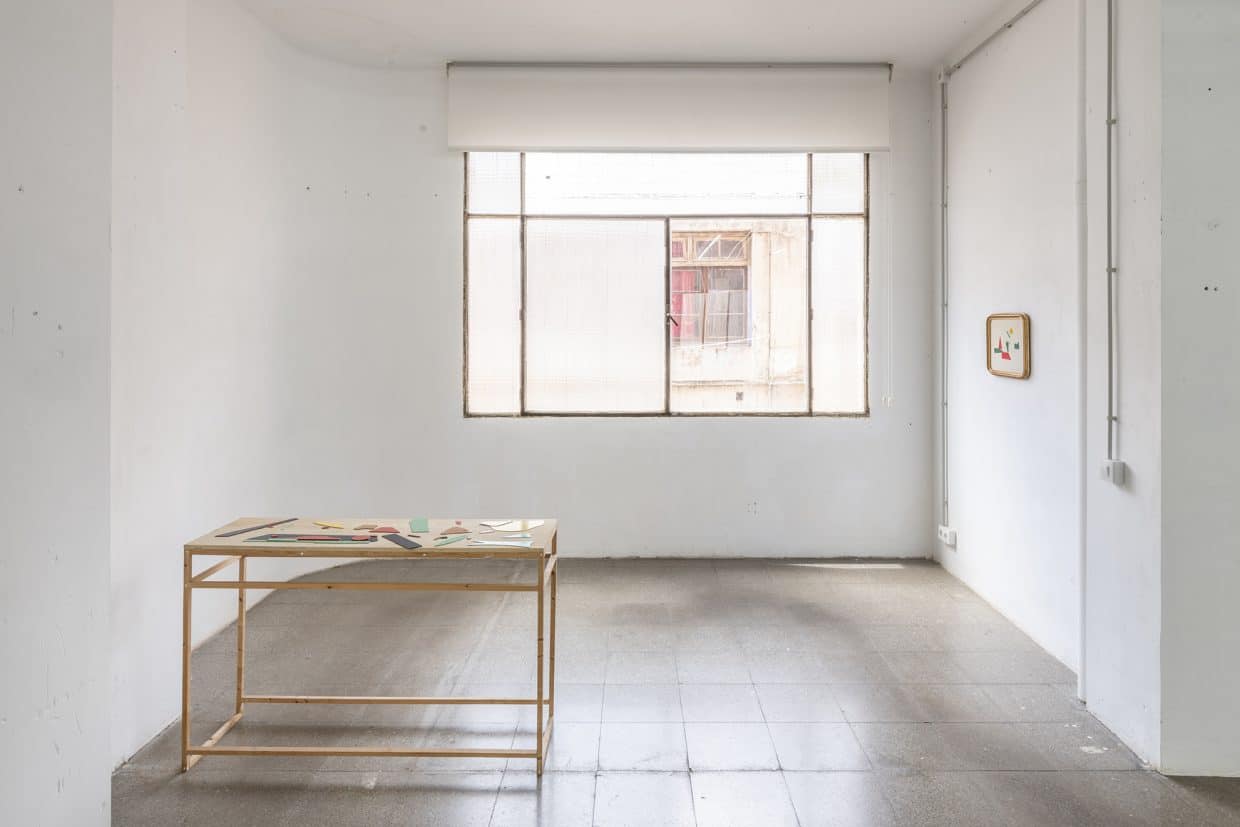
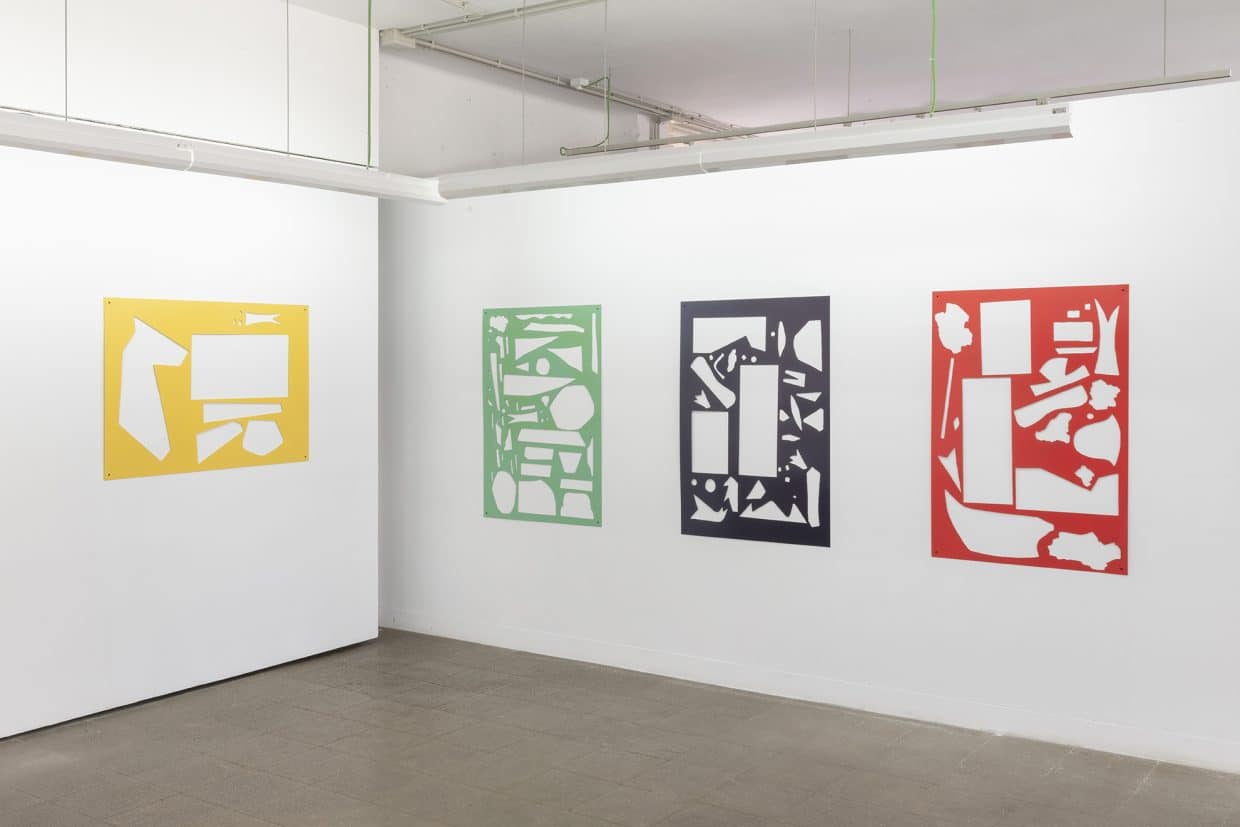
These bags with supplementary material are the backbone of Regina Giménez’s artistic project. As the artist points out, “detached from their corresponding explanatory sheets, they lose all their logic and their references to be able to carry out the required tasks and turn out to be wonderful works with their own plastic force, which, like children’s drawings or those of great artists, seem to be waiting for the interpreter who knows how to decipher what they are telling us”.
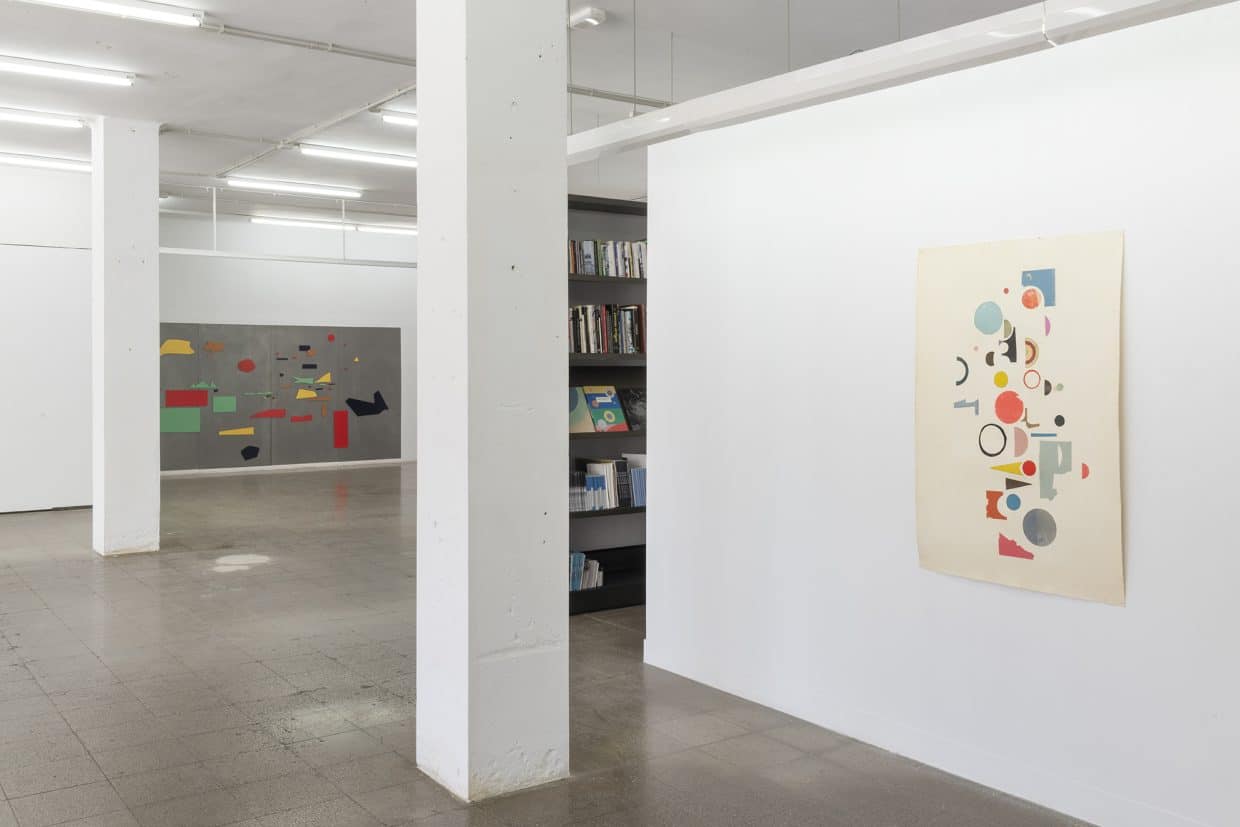
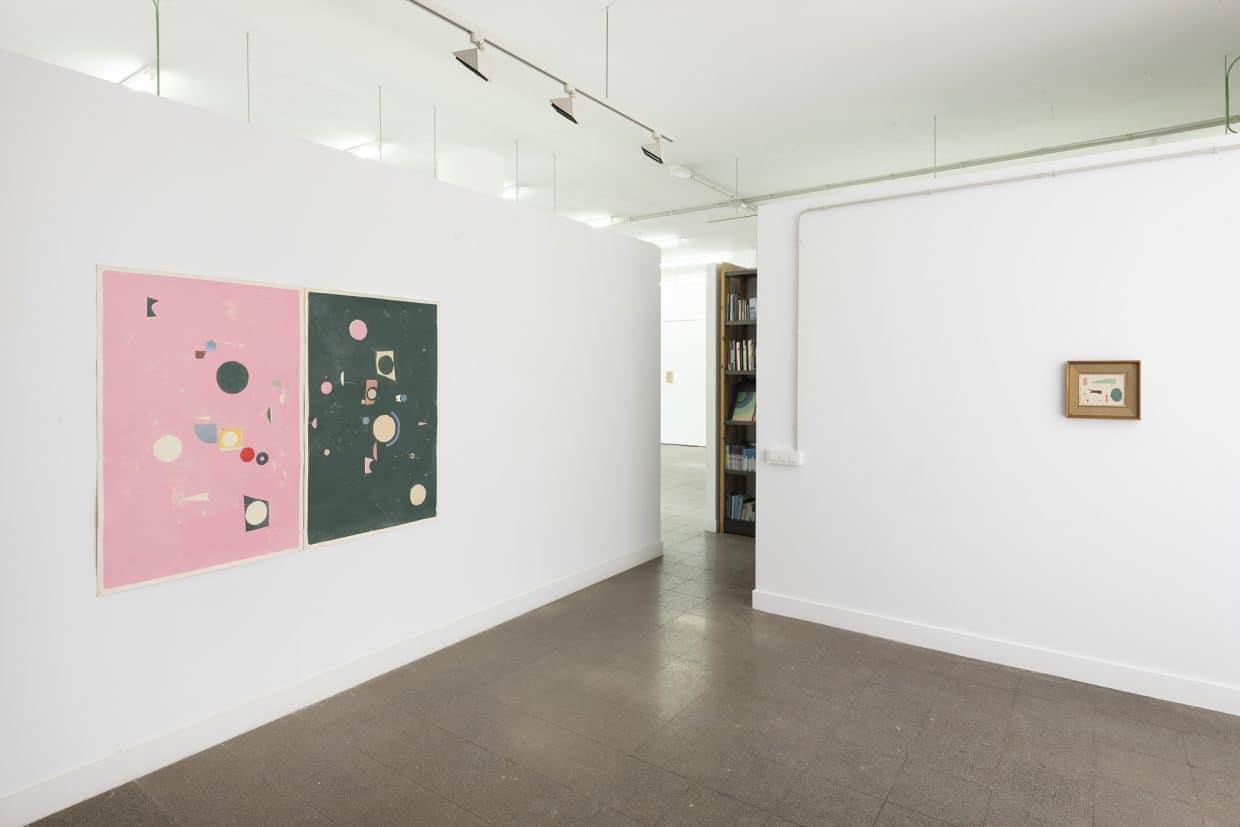
In a kind of desacralisation of art, and in a clear commitment to its playful conception, Regina Giménez invites us to play by connecting ideas and images already known to the spectators. References range from the geometric and flat shapes of the European vanguards of the first half of the 20th century, to children’s notebooks that invite them to colour, cut out or glue, to primitive images based on simple geometric shapes, but with great symbolism.
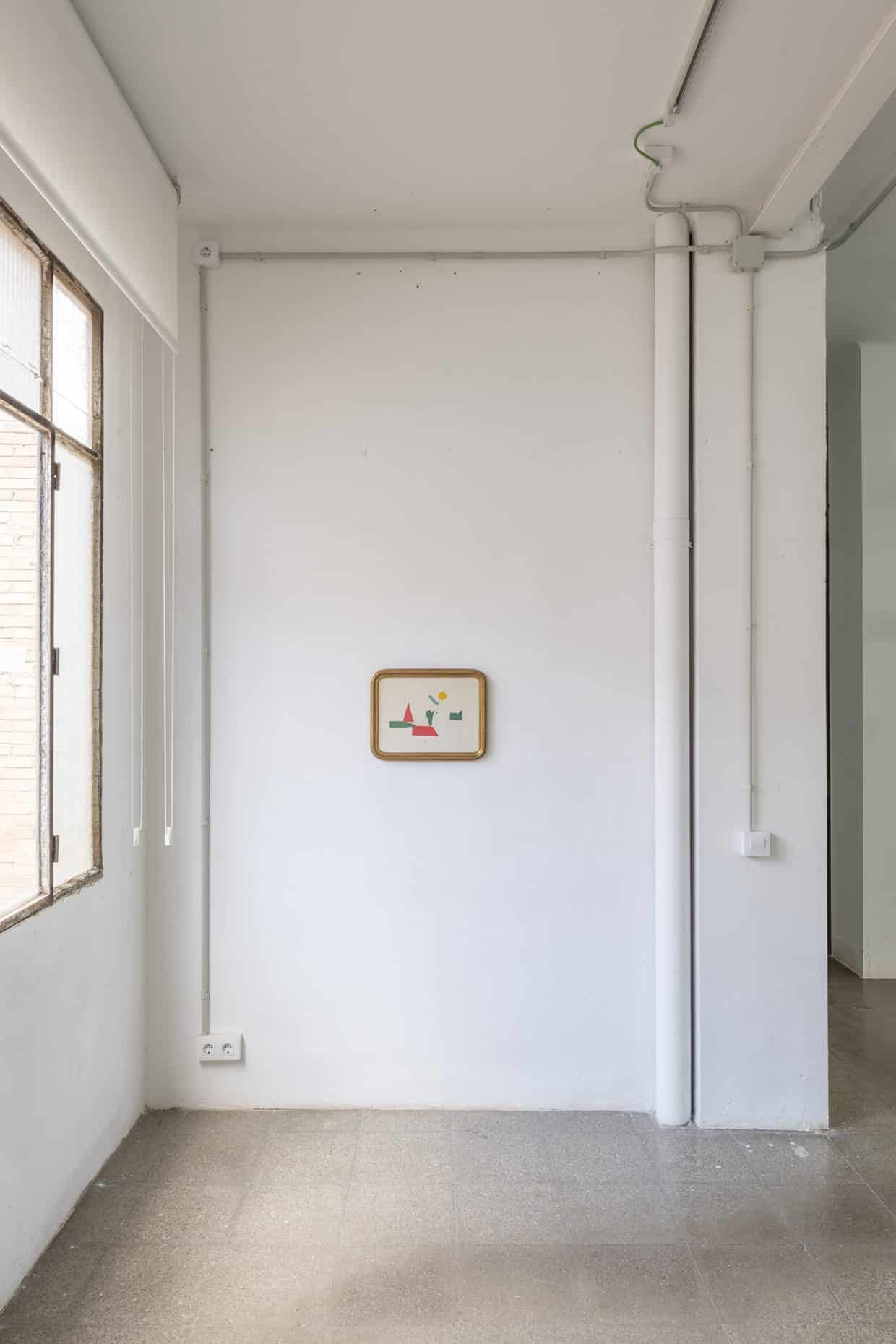
As in previous works, Regina Giménez incites disorder to propose new images based on infinite combinations of shapes, colours, repetitions or mirror games and inversions. In fact, some of the pieces are similar since they repeat the composition, although they are still unique pieces as the colour of some figures is slightly modified or some drawn parts are cut out. Besides, the paper, when worked on, gets dirty. When drawing on it, it gets dirty or smudged; when painting, small drops might fall unintentionally, or when applying the colours with the brush they can go over the line or blend with other colours that are not dry on the paper, canvas or cardboard yet; or collages, which include burrs or non-perfect cut-outs, tears, or adhesive residues. But Regina Giménez does not clean or fix these imperfections afterwards, she never hides the mistakes or the traces of the process, which also are accidental, very difficult to control. That is also part of her work and the game. This is why the result is always different, and we would see this if we could compare the result of all those students who filled in the sheets of Manos hábiles, even if they followed all the instructions given.
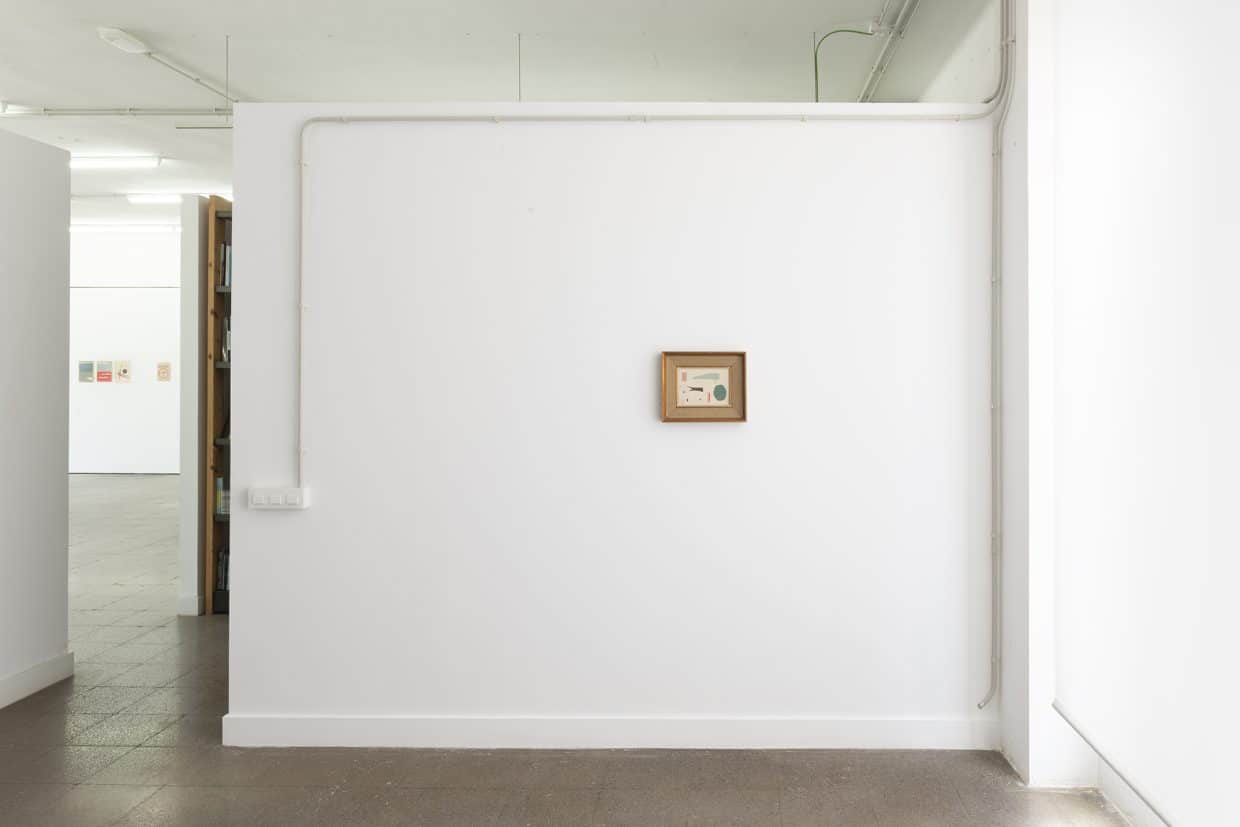
The same happens with the current “Más poético que pedagógico y practicable”, which is the same project in two venues. The exhibition in each gallery is composed of pieces that might appear to be identical but are not.
Case 1
Let’s imagine an early morning. Instinctively, half-conscious, you open your eyes, look at the alarm clock and realise that it has not sounded. In fact, all the clocks in the house have stopped working. Neither the digital ones, nor the battery-operated ones, nor the wind-up clocks. The same has happened in every house, and not a single clock in the world is working.
Time does not stand still, but the universal system of time measurement does. As life goes on, we need to begin to calculate the hours with the help of other records: the height of the sun in the sky, the shadows cast by objects, the position of the moon or stars, and so on. With practice we would control the external signals we received, as our senses would become more precise to better grasp seasonal time, which after chronological linear time is the easiest to measure. Spring, summer, autumn, winter. Spring, summer, autumn, winter. Spring, summer, autumn, winter. The birdsongs, the birth of flowers, the smell of the earth, the tides. These events are different in each season, and they change as days go by. Time guessing would never be an exact science, but it would allow the flow of time, we would only need to adapt to it.
Case 2
Let’s imagine a huge blackboard covering almost entirely a classroom wall. Hundreds of mathematical formulas and chemical or physical equations are painted on it in white chalk. There are letters, in both uppercase and lowercase -some of them, like X or P, are repeated more than others-, and numbers that change their position. Letters and numbers that sometimes go together, sometimes separately, and sometimes those numbers become tiny and stick to the bottom of the letters, as if they were hiding, helpless, behind the strength of the letters. There are also arrows, horizontal and vertical straight lines; plus, minus and equal signs; Greek letters that break the excessive geometry of the straight forms, as if they had lost their robustness and had flaccid, dancing or nervous parts.
We read the blackboard and understand nothing. We recognise the shapes individually, but not the structure they form, although the global image is very attractive, beautiful without having sought that purpose in the first place. It is indecipherable to us, but not to those who know its translation. We are not experts and we do not understand that language. But we presume that all those formulas have sense, just because of their scientific appearance.
Case 3
Let’s imagine having, at least for a specific period of time, a clean look, an aseptic look, as if looking for the first time, without contamination of any kind. The closest we could think about would be the look of a child, not corrupted by the social order yet, by the rules that end up regulating the way of looking.
Looking without noticing the straightness, the organisation, the normativity; defending the asymmetry, what is outside the rules, without fearing the unknown, the strange or even the frightening a priori. Enjoying the surprise at the most insignificant novelty: watching for the first time the movement of the waves in the sea; the light broken down into colours through a prism; the distorted reflections on certain surfaces; with an eye closed and the other open, observing other worlds through the microscope or the telescope.
Having no images as reference. Having no references and seeing everything anew. Unlearning to relearn.
Case 4
Let’s imagine the foundation of the National Institute for Scientific Research based on Speculations. An institution whose team only works based on clues, with unverified or incomplete data. An entity that demands the search for
chance, drifting, imagination or even games in its methodology. Whose library is a global reference for outdated and obsolete publications, with an exquisite selection of old encyclopaedias, whose contents are largely fiction, as many of their theories have been refuted.
In order to ensure its international visibility, the Pliny Scholarships would be created, where speculations do not need to be verified by the researchers, where all tests give errors because the contrary cannot be proven. Where the experiments appear to be objective, but in whose purposes the subjective is prioritised, as the search for beauty or the transmission of emotions.
Case 5
Let’s imagine a country that, after a citizen consultation, decides to implement the Compulsory Educational Service in its population. Each resident of that country must dedicate between twelve and sixteen months of his or her professional career to education, regardless of their level of studies, since the service does not include only curriculum contents, but seeks to emphasise non-formal education. Each person decides when they wish to do the Service, between 18 and 65 years of age. The service, which includes a basic monthly salary, is usually provided in educational institutions that are close to each citizen’s residence, since the first six months are devoted to receiving the training, as opposed to the six/twelve following months, when the individual puts into practice what has been learnt in a civil service dedicated especially, but not exclusively, to children and young people. By taking part in the Educational Service, foreigners may benefit from acquiring the nationality of that country at that very moment.
This Service represents an unprecedented social experiment, and is watched with interest by the rest of the world. In just a few years, the country has already defined itself as “a society that trains permanent trainers”. The result is, apart from a few minor exceptions, overwhelmingly optimistic. Not only do educational institutions (primary and secondary schools, universities, libraries) extend their hours until late at night to host educational practices, but also spaces that would not normally do so, now welcome them. Common spaces of the cities are reactivated, which cease to be places of passage to be inhabited. It is usual to see people on the street carrying a folding chair or a cushion under their arm to sit in the squares to take part in philosophy, first-aid, cooking, accounting, literature, programming, crochet, parenting, etc. classes. It does not matter if some of the classes are more useful than others, you always learn something and there is no need to measure results.
Educational practice is expanding to unimagined levels and the limits are fading. Of course, traditional academic lines are not abandoned, but citizens understand that each of the individuals who is part of society is able to teach whatever he or she is good at or has experience in, and offers it to others, and vice versa, they are also aware of their shortcomings and that training in any area makes them grow as a person. Older people, for example, offer what they have, which is their memory of life, and share it young people to learn from past mistakes and successes.
In ten years, the country has become an international vanguard, with a population that shares the respect for others. This has an impact on the social, economic and political evolution of the country, whose quality of life grows exponentially.
Javier Martín-Jiménez
Independent curator and Risponsible for the Area of Visual and Plastic Arts in the Centro de Cultura Contemporánea Condeduque, Madrid