Soledad Sevilla No todo es azar
05 Feb - 24 Oct 2021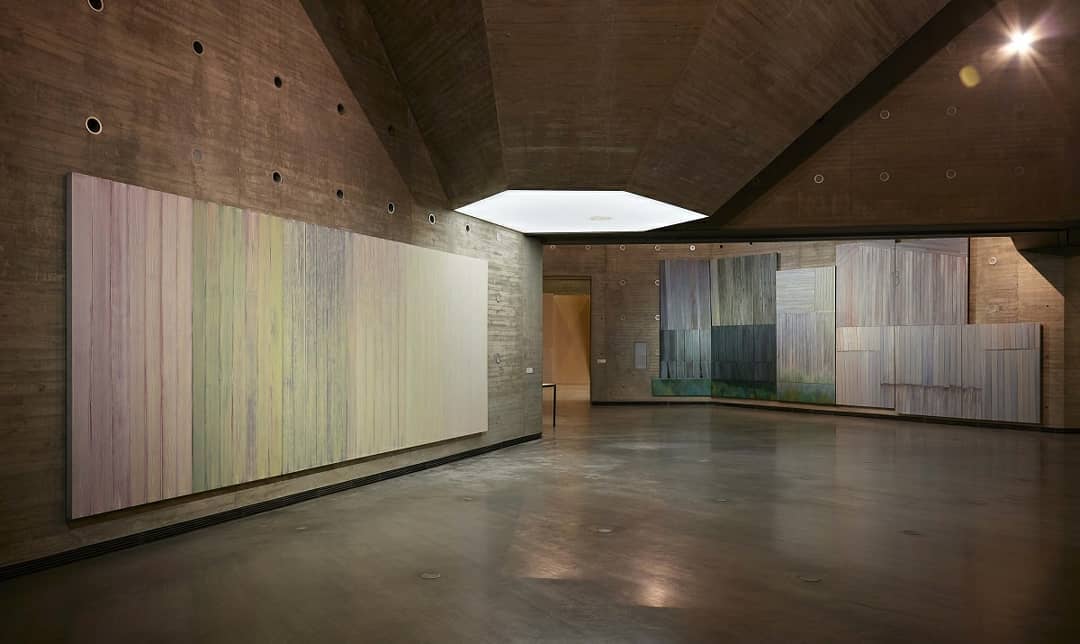
Soledad Sevilla, winner of the 2020 Velázquez Prize, the most prestigious award for living Spanish, Portuguese and Latin American artists, decided to donate a very substantial part of her oeuvre to the CAAC last year. Her gift comprised more than 60 paintings, installations, drawings and models produced between 1975 and 2013. The artist has always had close ties to Andalusia, as she divides her time between Granada and Madrid, and throughout her career she has remained intimately connected with the Andalusian art scene; indeed, locations like the Alhambra and El Rompido inspired some of her best-known series. The generous donation includes a remarkable collection of paintings, predominantly works of monumental size, as well as seven large installations, scale models and drawings.
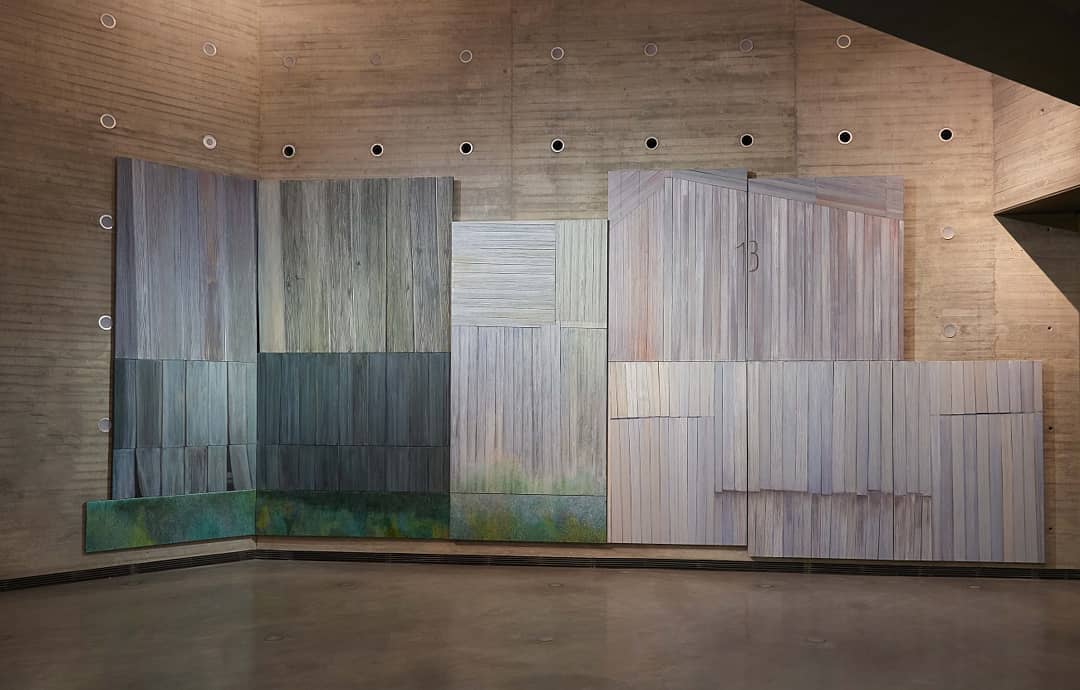
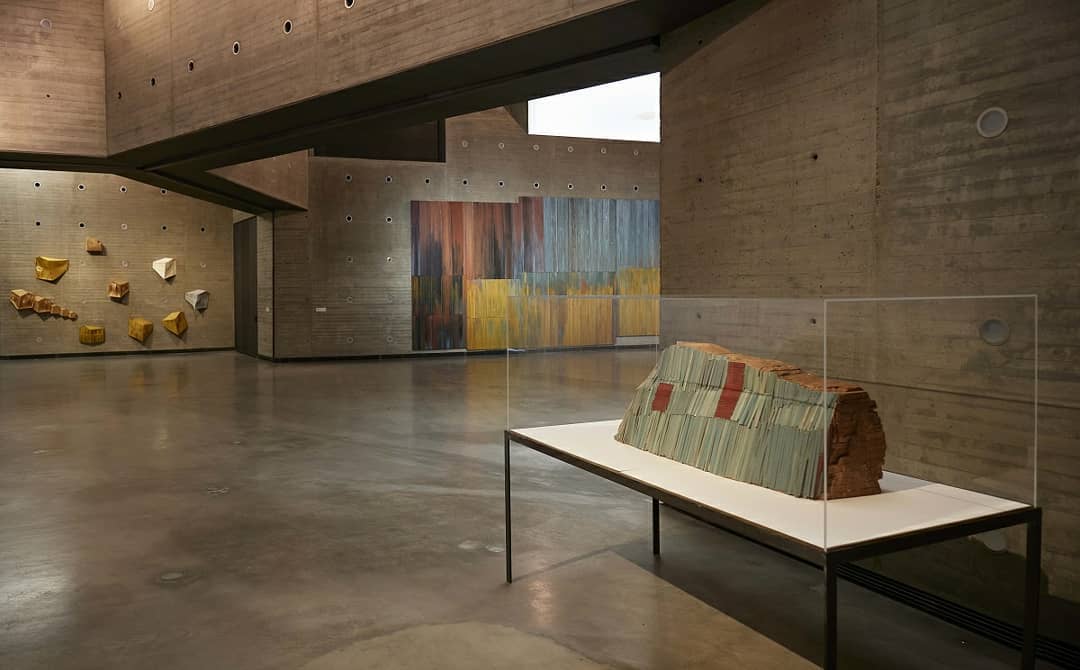
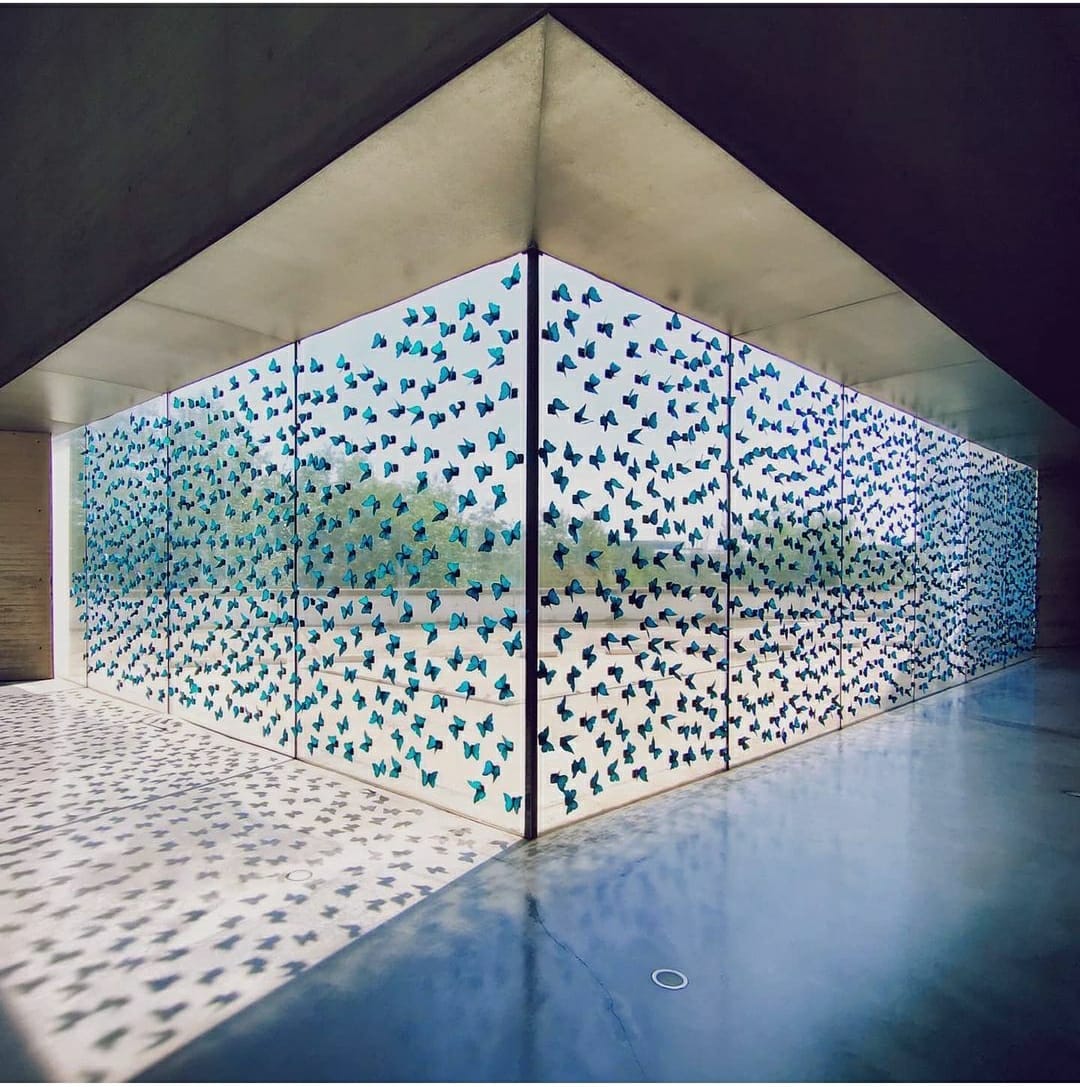
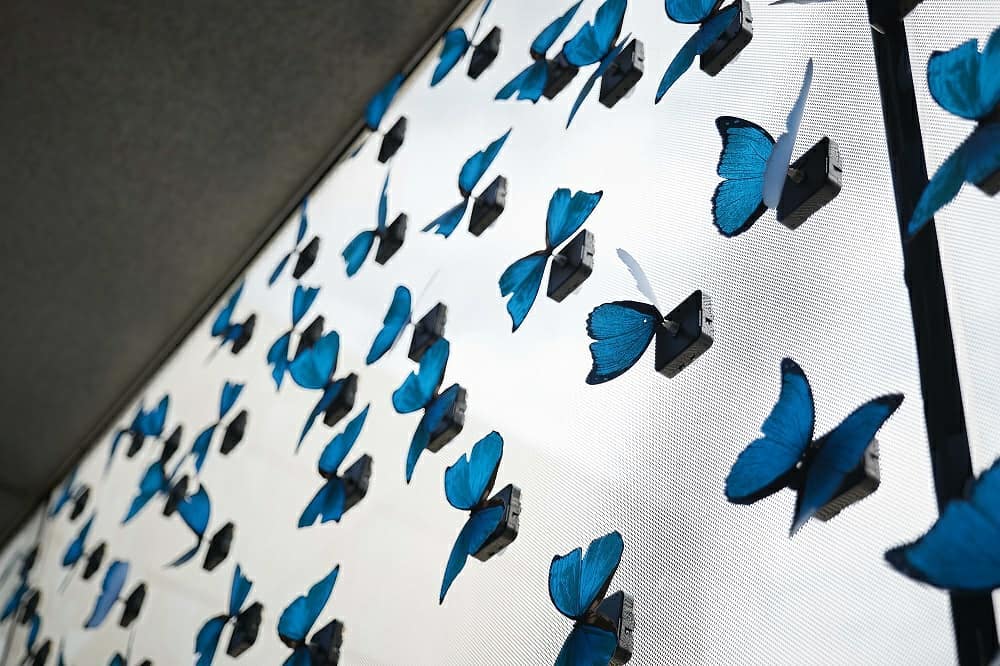
For the first time, the C3A presents selected pieces from Soledad Sevilla’s gift, most of which belong to two series: works based on “plant walls”, and others inspired by the tobacco curing barns on the plain of Granada. In both series, abstraction and repetition are protracted and accentuated to give these landscapes a naturalistic feel. In addition, the show includes a considerable number of scale models of some of her installations, a genre of which she is a pioneer and leading exponent. The sight of a plant-covered wall one afternoon in Granada, where ivy leaves that have completely overgrown a vertical surface rustle in the breeze, marks the beginning of the installations El tiempo vuela (Time Flies, 1998) and Te llamaré hoja (I Shall Call You Leaf, 2005) as well as of Apamea (1999), a large canvas whose title alludes to an ancient Syrian city.
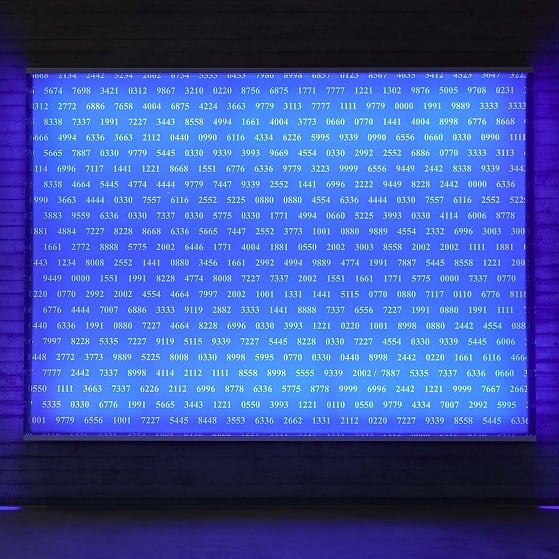
Soledad Sevilla once wrote that the gaze stimulates creativity, and this is borne out by her vision of the architecture of curing barns, where one of the most important series of her career began. This series is represented here by Retablos A y B (Altarpieces A and B, 2009), Apóstoles blancos (White Apostles, 2008) and the installation Arquitectura agrícola (Farm Architecture, 2013). As she has repeatedly demonstrated in the course of her long, prolific career, Soledad Sevilla’s constant research and tireless work prove that, as the opening work from which the show takes its title reminds us, No todo es azar (Not Everything Is Chance).
Juan Antonio Álvarez Reyes, curator