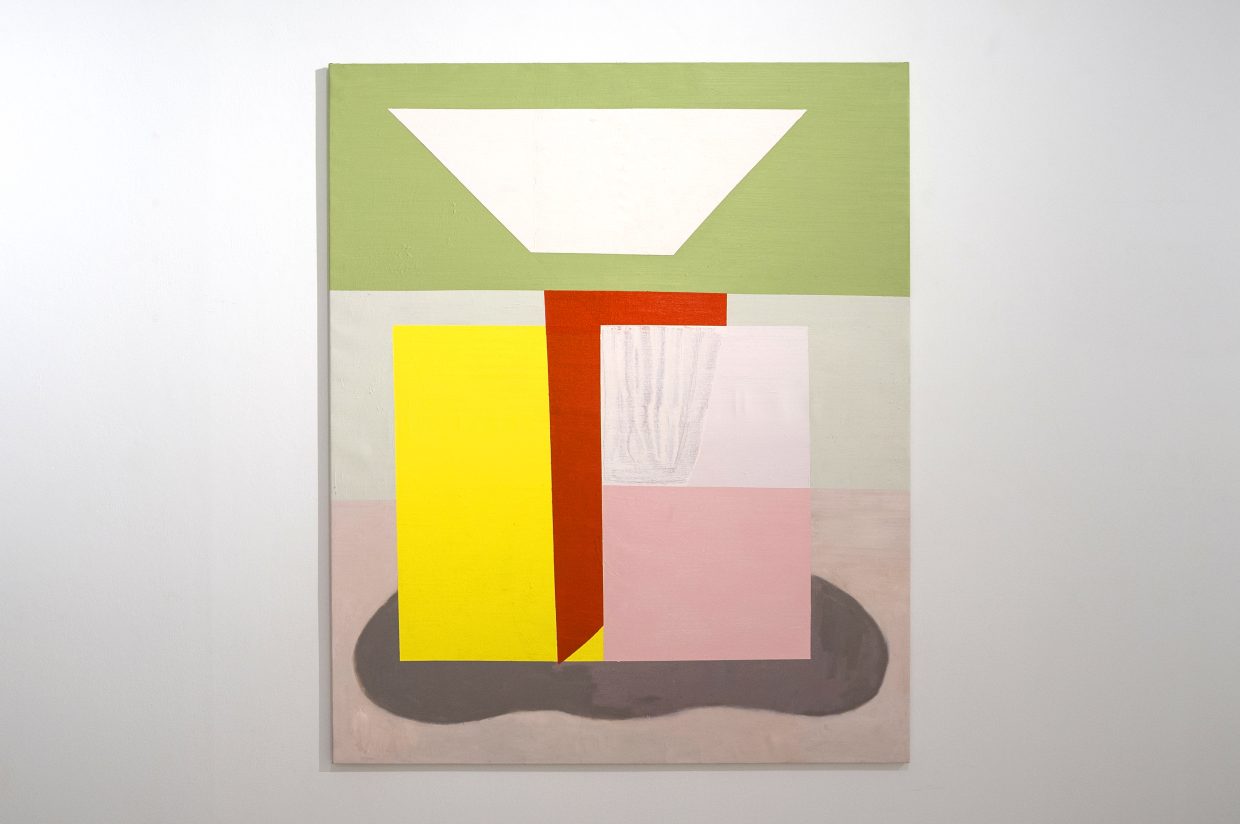
Damaris Pan Turno de réplica
18 Sep 2021 - 22 May 2022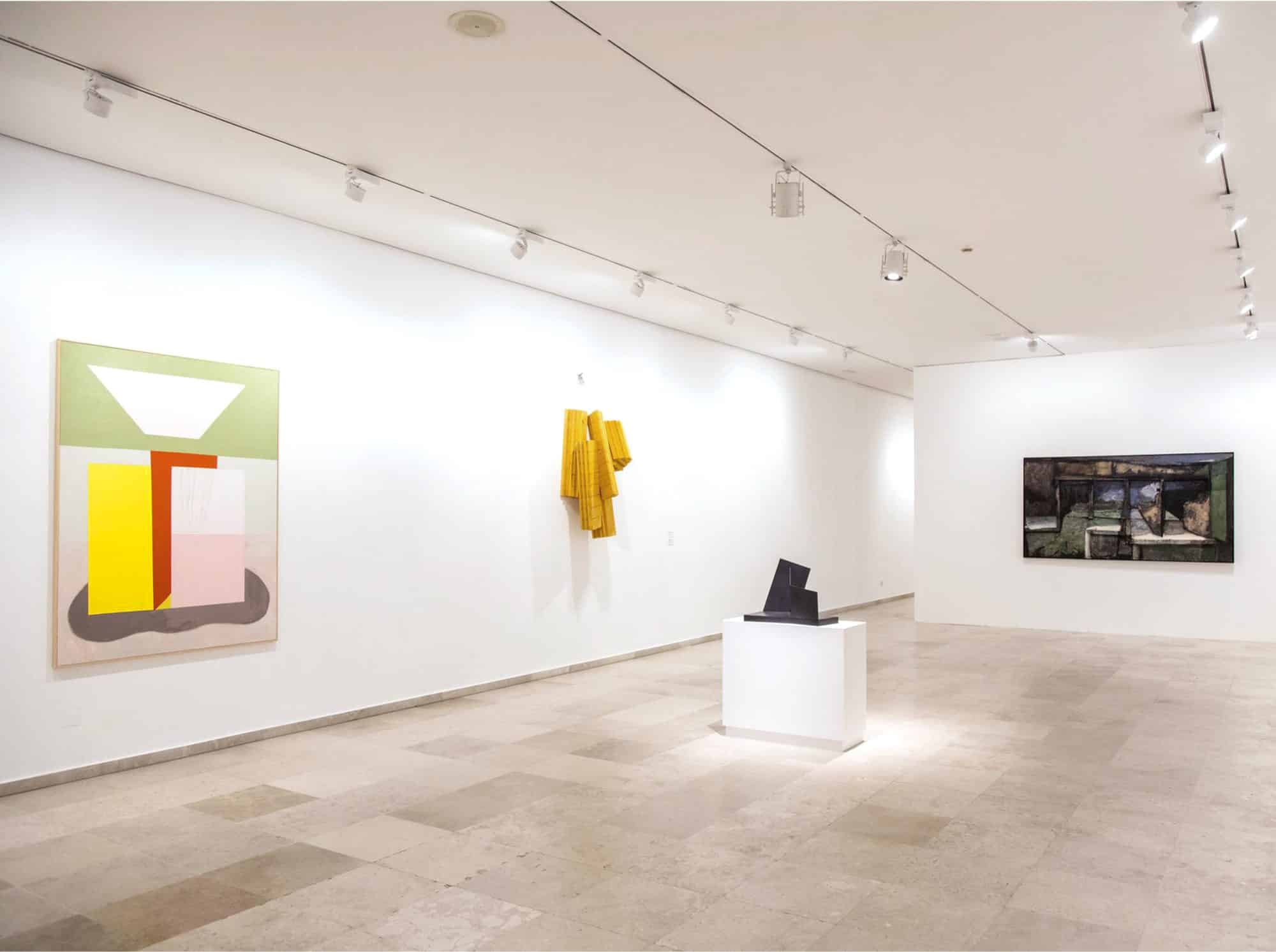
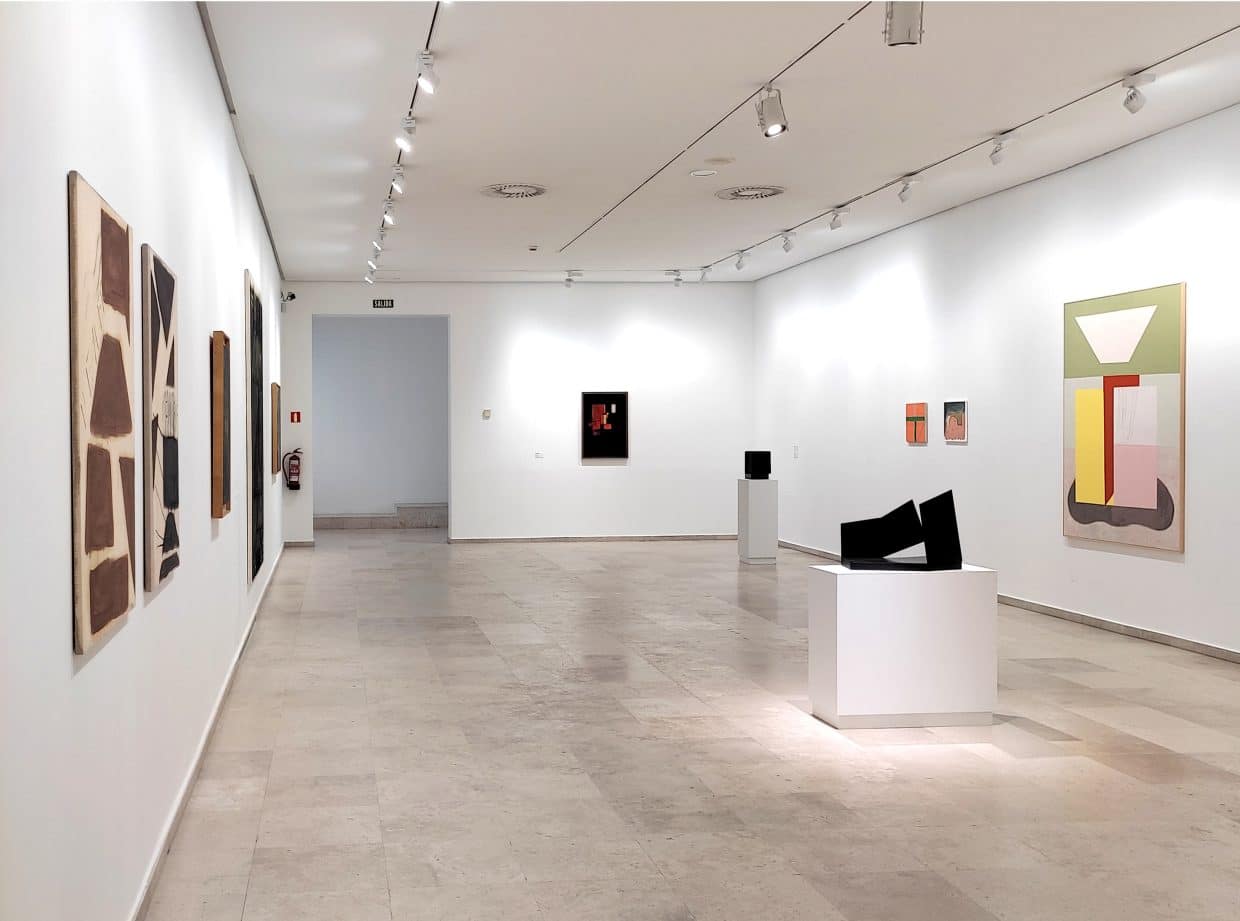
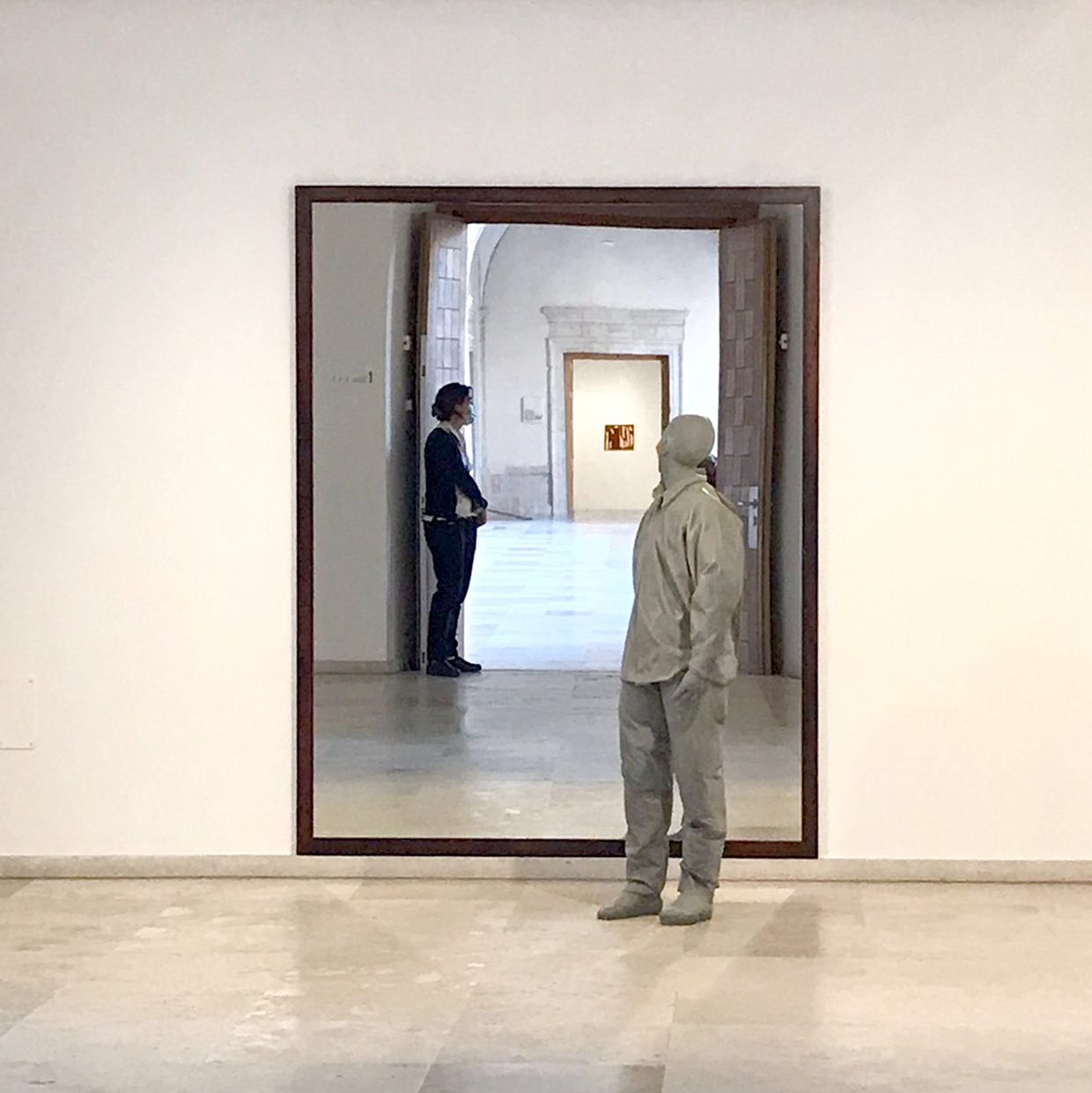
With its parliamentary resonances, ‘Question Time’ proposes a dialogue born of a generational call to the echoes of the avant-garde that resonate today in the work of contemporary artists. “Question Time” is intended to be a generic title that will illuminate different readings of the Contemporary Art Collection in successive stagings. The one we are dealing with today is entitled “Construction/Composition” and has to do with the drastic transformations that germinal issues in all creation, such as reflection on the plane, form, volume and space, have suffered and are suffering in our time, in the light of the advent of digital technology, of the “considerations of the excess” of images, of the new relations between container and content in the field of the exhibition and of the new performativity of works of art. If previous readings of the collection have involved a relationship of “kinship” among artists, what is proposed here, as has become regular practice in the museum’s latest programme, is a relationship of consensus and dissent, of analogies and fractures that can provide new perspectives on art in our country yesterday and today.
The section that includes artworks by Damaris Pan, titled “Expressions of abstraction”, is dedicated to figures whose works experienced a moment of great projection in the fifties, a time to which the programme of the museum has not been oblivious, especially in the field of photography, from which, through the work of Alejandro S. Garrido and Piedad Isla, it has approached different aspects of society at that time. Our route focuses on painting and sculpture, and on the possible connections between collage and textiles, in light of the new expressions recently emerged in this area.
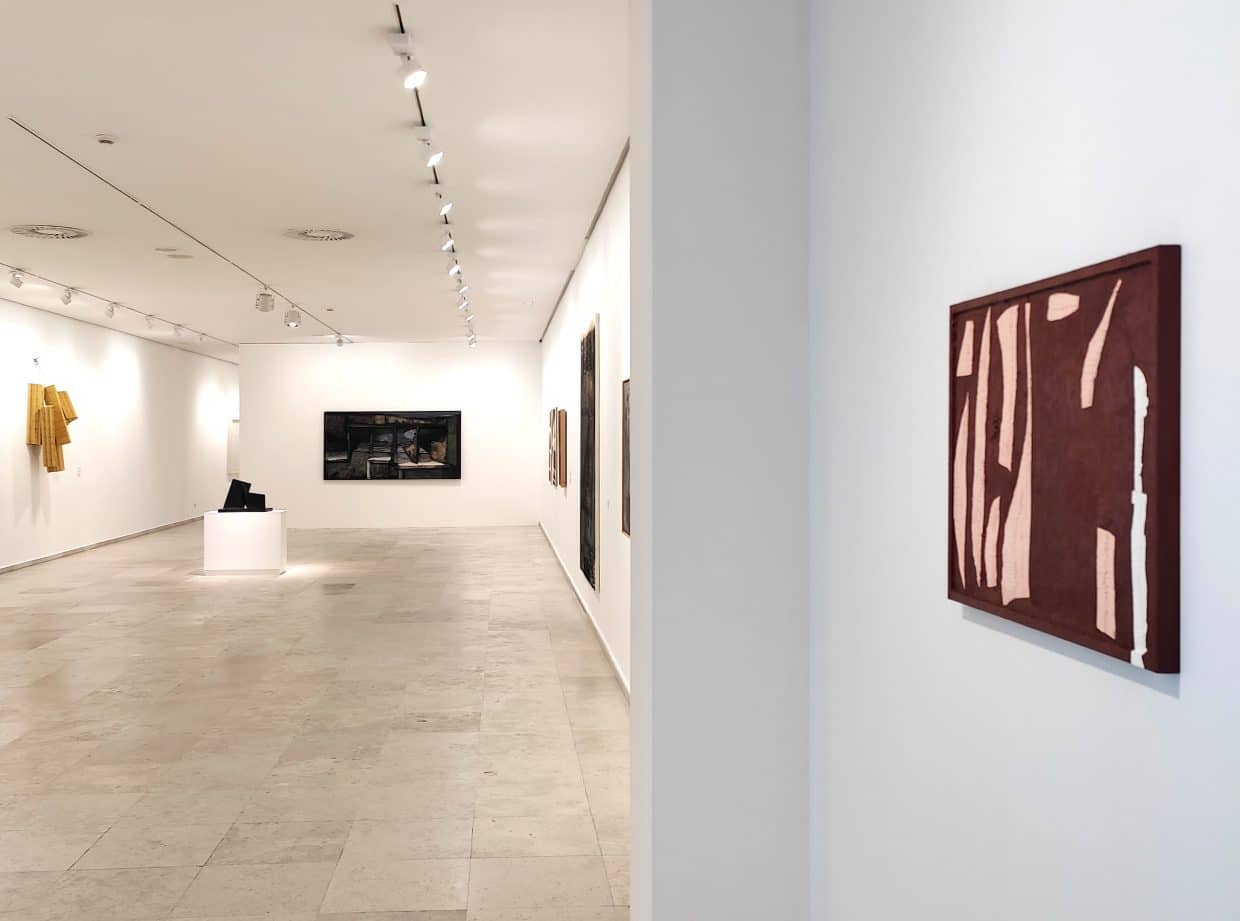
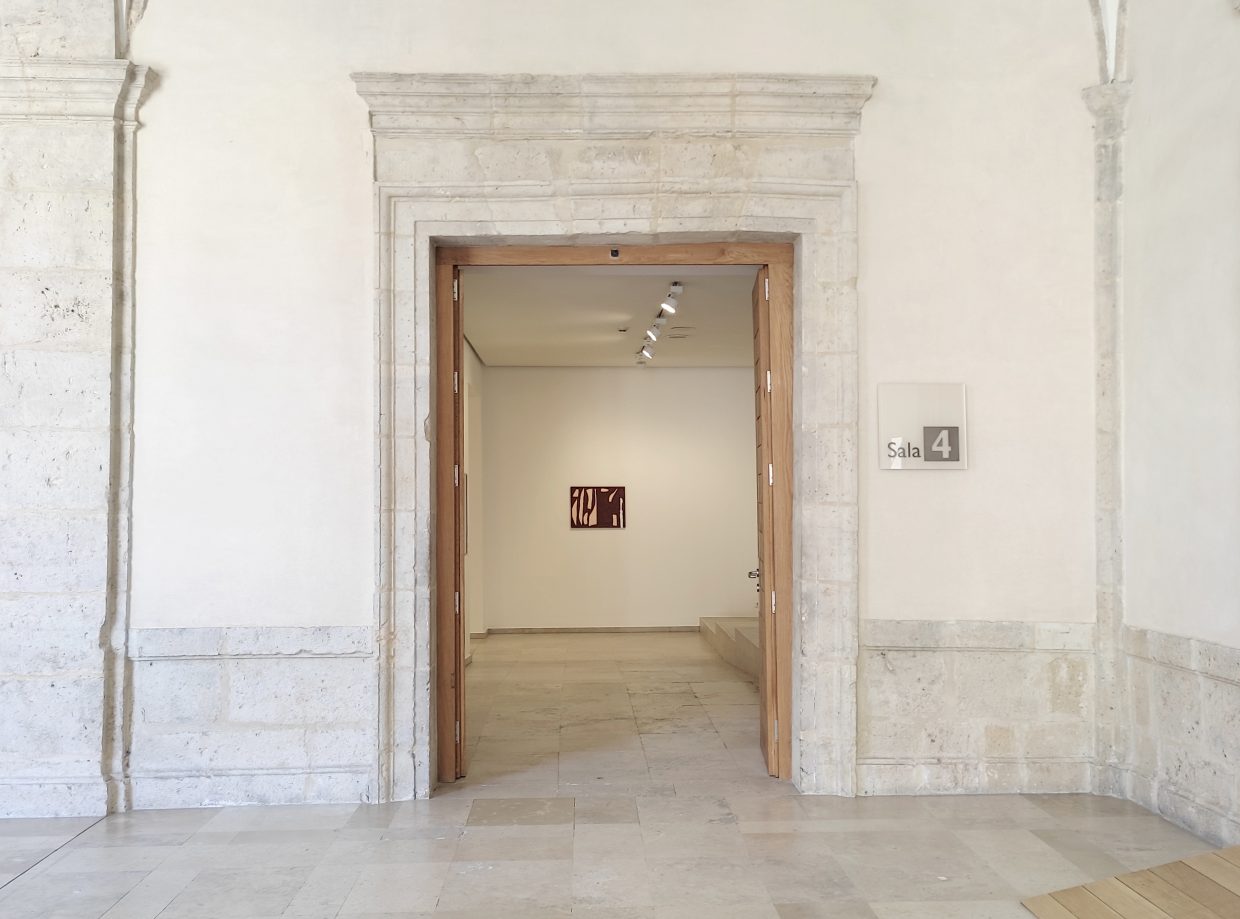
The fifties are characterised by the predominance of abstraction. We can also observe what some historians have understood as a period of “vagueness”, or at least a time when the artistic production escaped the usual avant-garde schemes, characterised by the clear succession of movements and styles. Therefore, it is not surprising that the expression “before informalism” has been used in previous readings of the works from this period of the Collection. If in Room 3 we observe works typically linked to minimalism or conceptual art and in Room 5 we find works that are naturally assigned to cubism and surrealism, what unfolds in Room 4 has as a common denominator the inscription in the field of that “jumble” we call “abstraction”, although the wide variety of expressive possibilities expands in multiple directions. The open character of this qualification allows, however, from today’s eyes, to adopt the free look, prone to consensus and dissents, that shapes this exhibition.
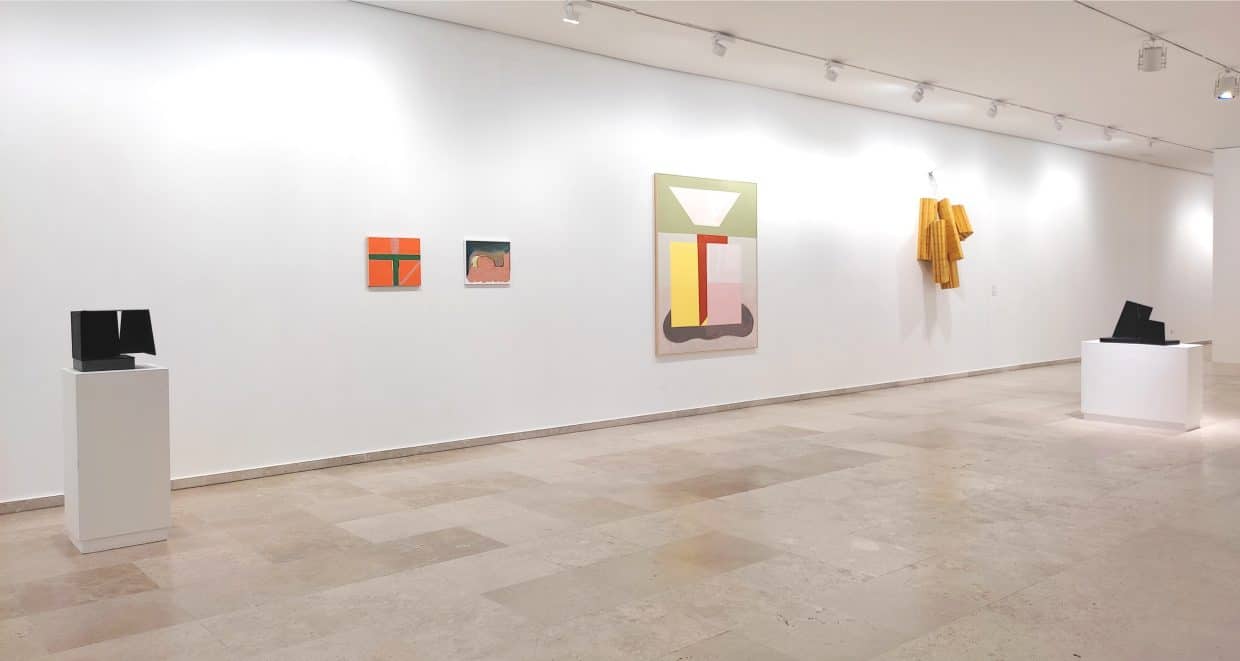
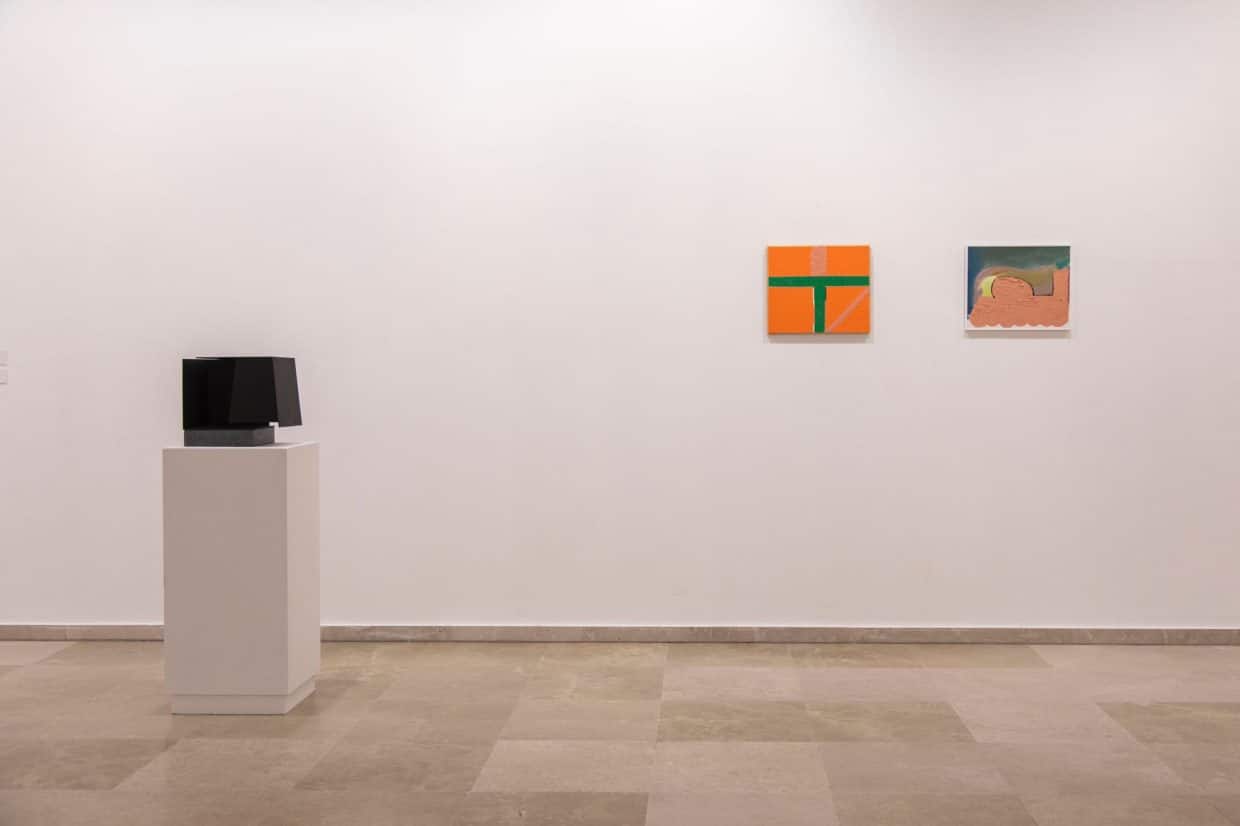
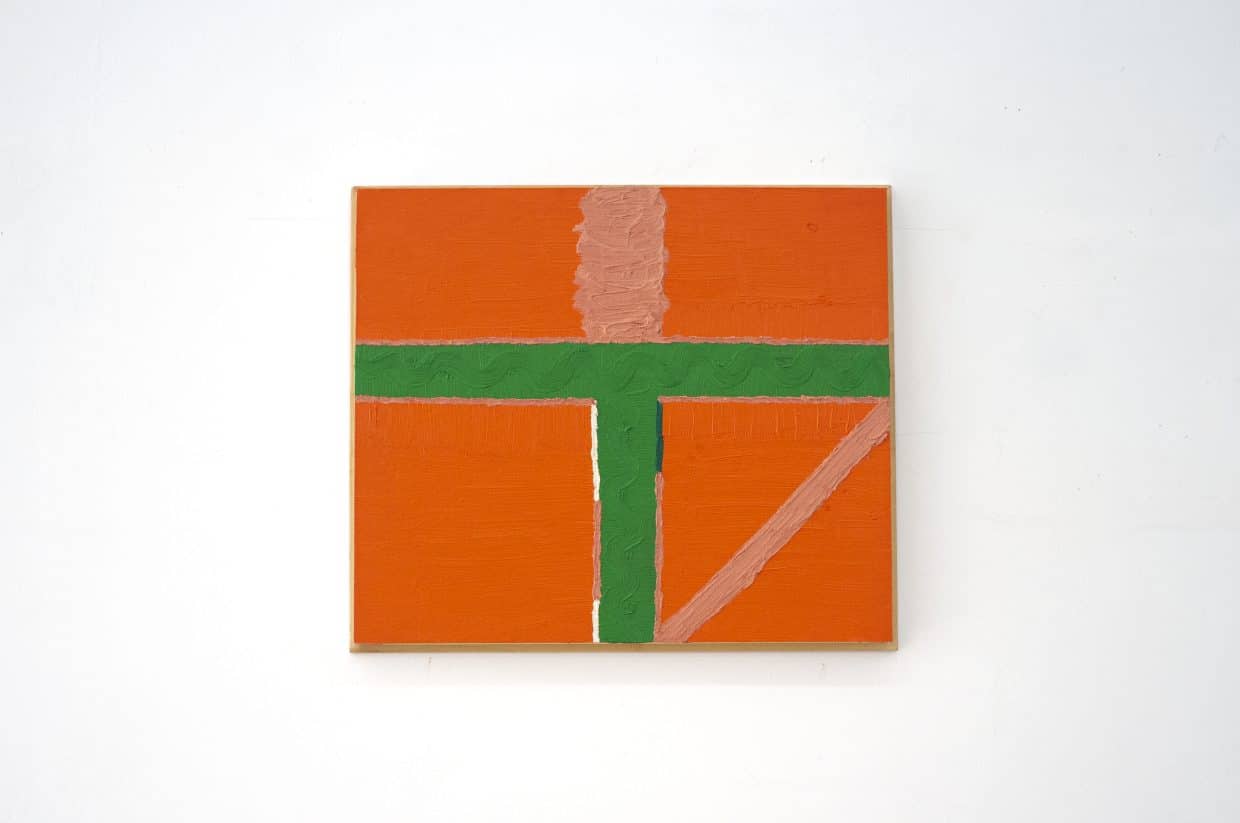
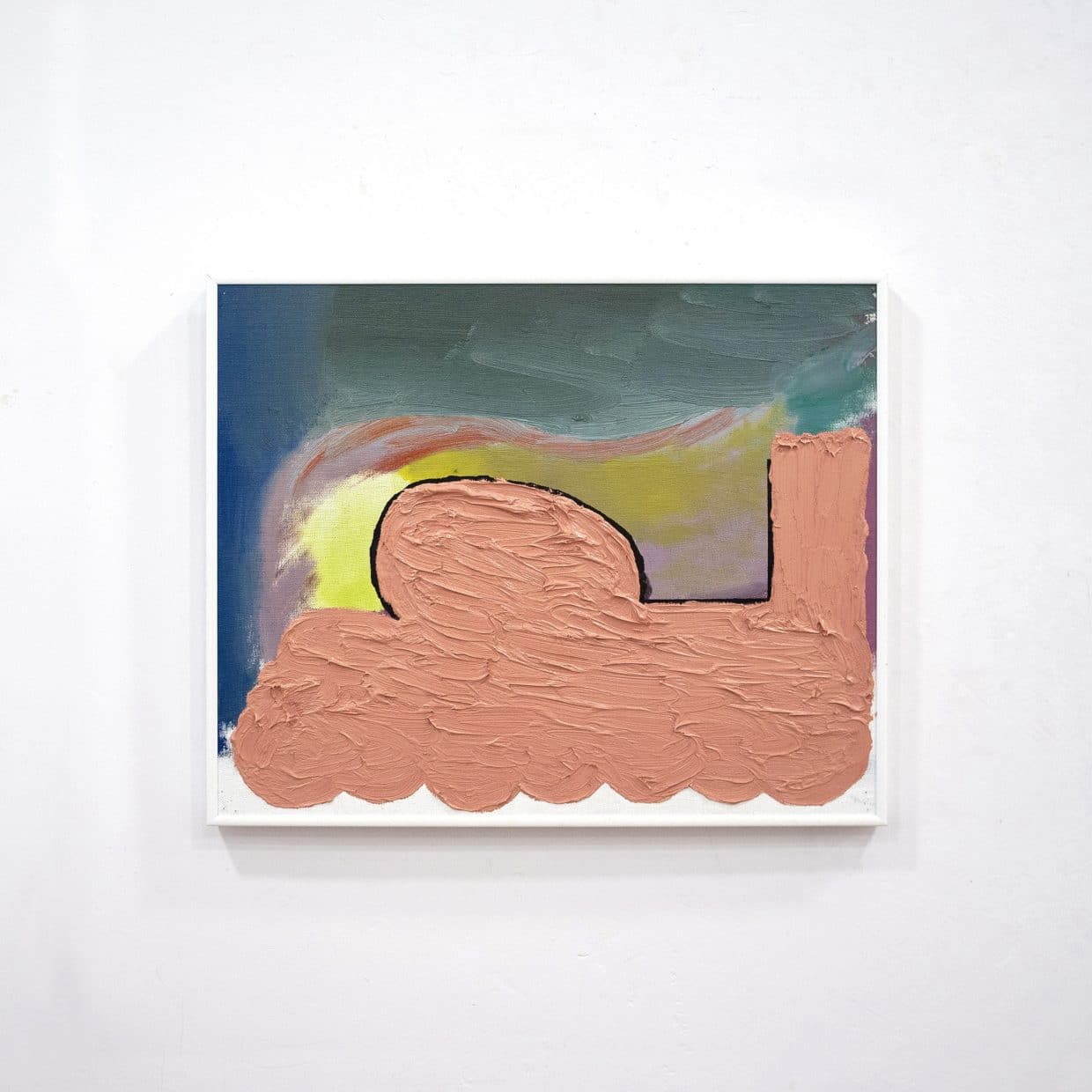
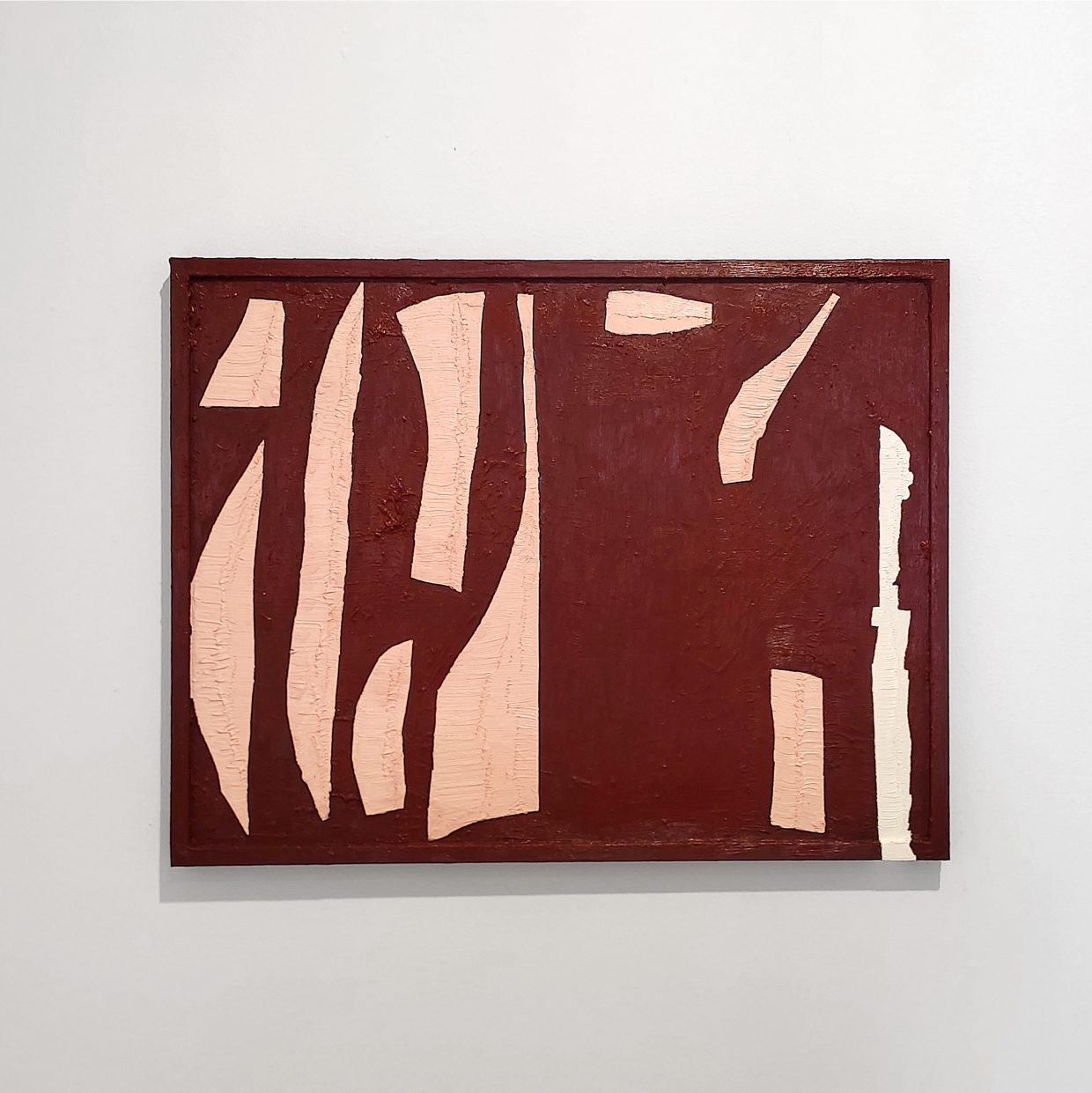
Historical figures such as Jorge Oteiza, Pablo Palazuelo, Eusebio Sempere or Lucio Muñoz share space, in the first area of the room, with currently active artists such as María Luisa Fernández, Damaris Pan or Guillermo Pfaff. All of them share that interest in abstraction, but links are woven between them that are not always obvious, since they are or pretend to be woven into a mesh of relations. Oteiza’s sculpture, with its well-known dialectics and struggles between opposites – full/empty, interior/exterior -, finds its echo, or rather its replica, in María Luisa Fernández’s works, while Fernández and Lucio Muñoz weave their dialogue in the field of the representation of volume and the treatment of wood. Damaris Pan places the plane at the centre of her spatial experimentation about the surface and, at the same time, she seems to be in debt to Sempere in the ambiguity that strains the relations between figure and background, so rich and complex in the painting of the Valencian artist.
We remain in an eminently pictorial territory to face the works of Santiago Lagunas and Guillermo Pfaff. The work displayed here by Lagunas is abstract painting with non-negotiable gestures, as if it was announcing the expressionism to come. Pfaff refers to it, a painter born in 1976 who opts for the gesture and the form at the same time, aiming for the desired organisation of the different elements of the pictorial space. Sempere also connects with this desire, in the way in which the motif finds its place on the plane, from a greater or lesser intuition in case of Pfaff, and it is also in this field where Pfaff hears Palazuelo’s echoes and its stunning Sur noir, with its precise and slow wandering of rough geometric shapes into the dense and dark night.
In the second area of this room we find three figures, one historical and two active nowadays, Manuel Millares, Elena del Rivero and Irene Infantes. A small collage from 1945 by Millares is displayed, which, although it might reveal the later informalism, remains in well-defined geometrical coordinates. Elena del Rivero already provides the replica in the title of her work, Against minimalism, whereas Irene Infantes appeals to the transversality of her practice with textile, elluding the self-referentiality of abstraction. In the works of Millares and Infantes we observe a relation between geometrical concretion and a certain tendency to overflowing, which would allow the form to transcend its own limits, something that happened at the end of the Canarian’s works, and that allows the work of Infantes to move forward to other disciplines and fields.
Exhibition curated by Javier Hontoria.
Participating artists: Elena Alonso, Manuel Ángeles Ortiz, Elena Asins, Rafael Barradas, Francisco Bores, Pancho Cossío, María Luisa Fernández, Fuentesal Arenillas, Julio González, Irene Infantes, Manolo Laguillo, Nicolás de Lekuona, Maruja Mallo, Manuel Millares, José Moreno Villa, Lucio Muñoz, Alfonso de Olivares, Jorge Oteiza, Pablo Palazuelo, Benjamín Palencia, Damaris Pan, Alberto Peral, Guillermo Pfaff, Elena del Rivero, Joan Sandalinas, Adolfo Schlosser, Eusebio Sempere, Ignacio Uriarte, Oriol Vilanova.